Standard-defining commercial light fixtures engineered for extreme environments and bespoke design requirements.
Festoon lighting, traditionally defined as globes suspended from flexed electrical cables, has undergone an industrial paradigm shift. In the contemporary global infrastructure, hospitality development, and architectural design markets, custom festoon lighting has transitioned from temporary decorative illumination to permanent, high-reliability outdoor and structural installations. Across regions like North America, Europe, and Asia-Pacific, developers, municipalities, and engineers demand custom solutions that meet stringent safety standards while delivering bespoke aesthetic results.
From a commercial standpoint, the selection of custom festoon lighting factories and suppliers represents a critical decision point for procurement managers and design engineers. Regulatory compliance frameworks (such as CE, UL, RoHS, and ETL) mandate that safety metrics govern the material specifications of cable jackets, structural internal support wires, and watertight lamp holder moldings. Factories are no longer simple assembly lines; they have become technology partners capable of custom engineering systems to survive UV degradation, saltwater atmospheric erosion, extreme temperature fluctuations, and mechanical load strains in high-wind zones.
Industrial festoon systems must balance electrical performance with mechanical integrity. A major challenge in large-scale deployments is voltage drop, especially over runs exceeding 100 meters. Custom factories address this by utilizing high-gauge copper wiring (typically 1.5mm² to 2.5mm² H05RNH2-F rubber cables) and step-down transformer architectures (24V DC / 36V DC) instead of standard 240V/110V mains lines. This design mitigates safety risks and prevents luminance degradation at the end of long electrical runs.
Standard PVC cables degrade quickly under solar radiation and split in freezing temperatures. Leading suppliers utilize vulcanized neoprene or chloroprene rubber cables. These materials resist oil, chemical exposure, UV light, and mechanical wear, ensuring the cable maintains its flexibility and waterproof rating down to -30°C.
Sockets are injection-molded directly onto the cable sheath. To achieve IP65 or IP67 ratings, internal double-soldered copper contacts are sealed within a thermoplastic elastomer (TPE) shell. Specialized silicone rings compress against the bulb base, keeping out moisture, dust, and corrosive sea air.
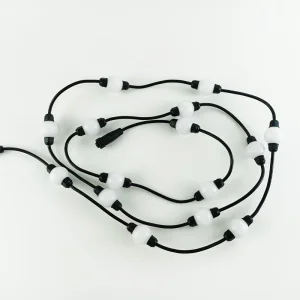
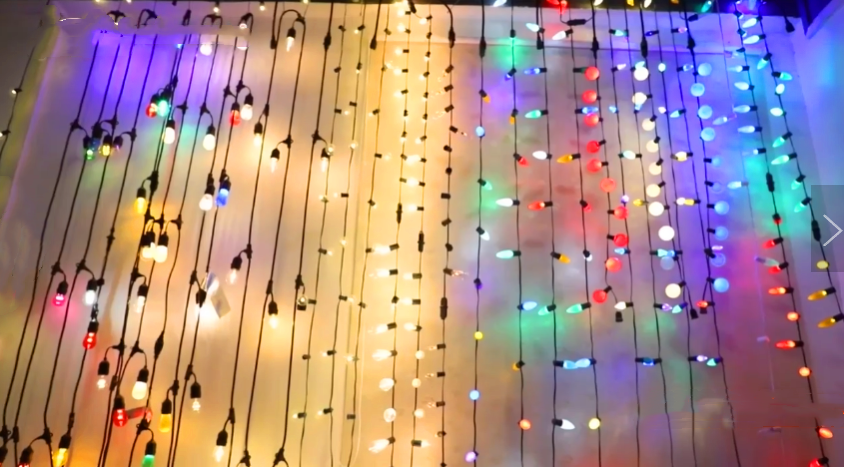
Furthermore, the integration of Smart RGB & Pixel Addressability has opened up new creative possibilities for architectural lighting designers. Using protocols like SPI (Serial Peripheral Interface) or DMX512, every individual bulb in a custom festoon line can be programmed independently, allowing for dynamic color changes, chasing patterns, and synchronized media displays across large public spaces.
"The core differentiator of a premium festoon system lies in the vulcanization process of its cable sheath and the mechanical sealing of its socket contacts. Without these safeguards, moisture ingress eventually causes electrical shorting and structural degradation." — Senior Quality Assurance Director
The office address of Dongguan Bright Light Bulb Co., Ltd. is located on the east bank of the Pearl River estuary, Dongguan, a famous historical and cultural city in Guangdong: Dongguan West erheng Road, Zhenhua Industrial Zone, Qishi Town, Dongguan City. Registered and established under the Dongguan Administration for Industry and Commerce on June 05, 2014, with a registered capital of 300,000 RMB, our factory has built a strong reputation over more than a decade of development and growth.
We specialize in the research and development, high-precision production, and global distribution of photoelectric products, custom architectural lighting, industrial lamps, and advanced electronic components. By maintaining control over the entire supply chain—from initial raw material sourcing to precise injection molding and final electrical safety checks—we ensure our clients receive high-performing products backed by responsive technical support.
Our core mission centers on creating an inclusive environment that offers equal opportunities to our staff, customers, suppliers, and the community. By investing in our team's career development, we foster a culture of quality and precision that directly benefits our global clients.

Operating a modern, compliant production facility requires a deep commitment to environmental stewardship and workforce health. At Dongguan Bright Light Bulb Co., Ltd., we have implemented an integrated environmental, health, and safety (EHS) management system across all manufacturing lines. We focus on providing a safe, clean, and ergonomic workplace at every stage of production—from copper extrusion to bulb filament sealing and waterproof testing.
Our sustainability efforts guide our choices in raw materials. We prioritize halogen-free plastics and lead-free solder to comply with EU RoHS directives. Additionally, we use high-grade silicone rubber compounds that do not release hazardous gases during extrusion or assembly. By focusing on durability, we extend the operational life of our custom festoon cables and LED fixtures, reducing electronic waste and minimizing the total cost of ownership for commercial buyers.
High-efficiency, outdoor-rated, and intelligent control lighting systems built for commercial environments.
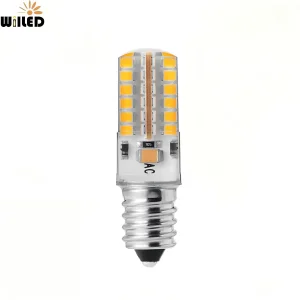
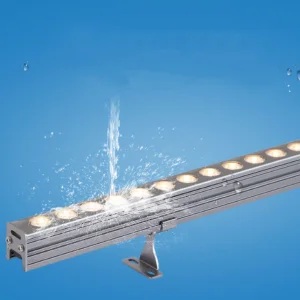
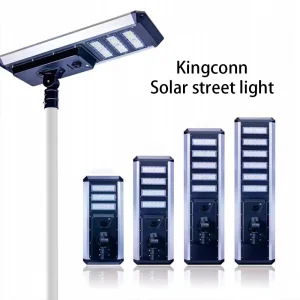
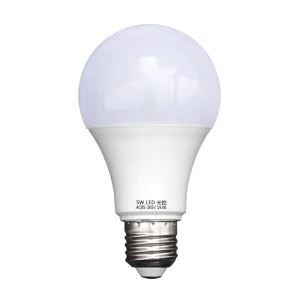
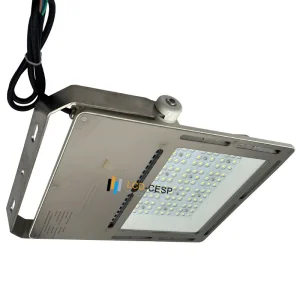
Custom-engineered festoon lighting is highly versatile, serving multiple functions across various sectors:
Municipalities deploy permanent, structural-grade festoon networks over public walkways, civic plazas, and heritage bridges. These systems incorporate internal high-tensile steel support wires to handle heavy snow loads and wind shear, providing dependable public lighting that also adds a welcoming aesthetic touch.
Hotels, coastal resorts, and cruise ships use custom festoon lighting to define outdoor dining areas and boardwalk paths. In these environments, materials must withstand saltwater exposure. Using marine-grade silicones and specialized plastic compositions helps prevent surface yellowing and cracking caused by salt spray and intense UV radiation.
For temporary work areas in mine shafts, dry docks, and marine vessel fabrication yards, festoon lights must be highly impact-resistant. Heavy-duty structures featuring shatterproof polycarbonate bulbs and thick neoprene cables protect the lighting lines from damage caused by heavy machinery and dropped tools, helping to maintain safe, uninterrupted operations.
Looking ahead, the development of commercial-grade festoon systems centers on smart integration, improved energy efficiency, and durable materials. Key technical advancements include:
Traditional DMX hardwiring is being replaced by integrated wireless mesh technologies like Bluetooth Mesh and Zigbee. These protocols let operators program lighting configurations, schedule dimming cycles, and run real-time diagnostics directly from mobile devices or central building management software, simplifying installation and maintenance.
In response to global sustainability initiatives, manufacturers are replacing traditional petroleum-based polymers with bio-based TPU (Thermoplastic Polyurethane). These new compounds deliver the same level of UV resistance, flame retardancy, and flexural strength, but have a significantly lower carbon footprint.
Common technical queries regarding commercial-grade custom festoon procurement and engineering.
 Bright Light Bulb