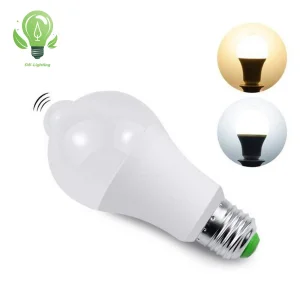
In the contemporary landscape of urban development and industrial automation, Motion Sensor Lighting has transcended its original role as a mere convenience. Today, it stands as a cornerstone of the global "Smart City" and "ESG (Environmental, Social, and Governance)" initiatives. As a leading manufacturer based in the heart of China’s lighting hub, Dongguan Bright Light Bulb Co., Ltd. has witnessed a pivotal shift from simple PIR (Passive Infrared) sensors to complex, AI-integrated microwave sensing systems.
Top-tier manufacturers now utilize multi-stage sensitivity calibration, allowing sensors to distinguish between human movement and environmental interference like wind or pets.
Modern sensor lighting can reduce energy consumption by up to 80% in commercial warehouses and parking structures through intelligent "dim-to-dark" programming.
The industry is moving towards universal protocols, ensuring that motion sensor lights from different manufacturers can communicate within a single ecosystem.
Located on the east bank of the Pearl River estuary in Dongguan—a city globally synonymous with manufacturing excellence—Dongguan Bright Light Bulb Co., Ltd. was established on June 05, 2014. With a strategic location in the Zhenhua Industrial Zone, Qishi Town, the company has leveraged the unique advantages of the Guangdong-Hong Kong-Macao Greater Bay Area.
During our decade of development, we have transitioned from a specialized bulb manufacturer to a comprehensive photoelectric solutions provider. Our core strength lies in our integrated R&D, production, and marketing ecosystem. We don't just assemble; we innovate. Our facility maintains an integrated environmental, health, and safety (EHS) management system, ensuring that every motion sensor light produced meets rigorous global standards.
For global procurement managers, the primary challenge is not just finding a manufacturer, but finding one that understands regional regulatory frameworks. Motion sensor lighting must adhere to diverse standards such as UL (North America), CE/RoHS (Europe), and SAA (Australia).
Compliance with Title 24 (California) and DLC (DesignLights Consortium) is essential. Our sensors are tuned to meet specific occupancy and daylight harvesting requirements mandated by US building codes.
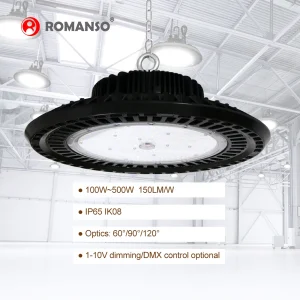
The Energy-Related Products (ERP) directive requires specific luminous efficacy. Our high-bay and outdoor motion sensors are optimized for the highest lumen-per-watt ratios in the industry.
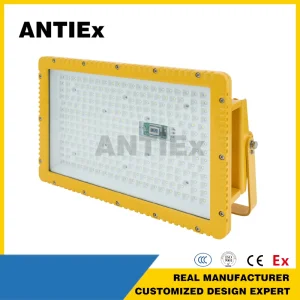
For logistics hubs and oil terminals, our products achieve IP65 and IP66 ratings, ensuring durability against high-pressure water jets and extreme dust environments.
Automated lighting that follows the forklift's path, eliminating dark spots while saving 70% energy during idle periods.
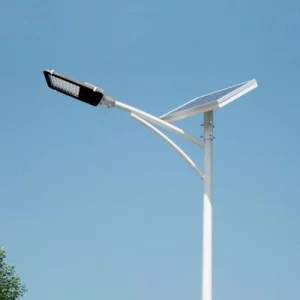
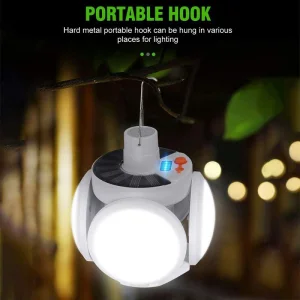
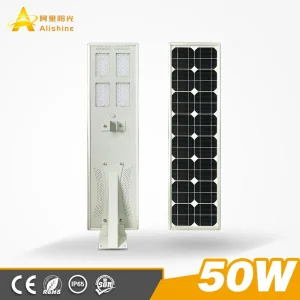
Solar-powered motion sensors for urban fringes where grid access is limited, providing safety only when pedestrians are present.
Biophilic LED designs integrated with PIR sensors to create a seamless, hands-free lighting experience that promotes wellness.

The next frontier is "Information Gain" through sensor data. We are moving beyond simple motion detection into "Presence Detection." While PIR detects moving heat signatures, next-generation manufacturers are implementing:
A: PIR (Passive Infrared) sensors detect heat radiation and are best for line-of-sight detection. Microwave sensors emit low-energy radio waves and can "see" through thin walls or around corners, making them ideal for large warehouses with racking systems.
A: We provide sound after-sales service including remote technical support, replacement parts for the duration of the warranty, and detailed installation guides tailored to specific regional electrical standards.
A: Yes, our advanced LED drivers support 0-10V dimming and DALI protocols, allowing for seamless integration with most modern smart building control systems.
A: Depending on the complexity and volume, our lead time typically ranges from 15 to 35 days, bolstered by our robust supply chain in the Dongguan industrial cluster.
 Bright Light Bulb