When it comes to lighting solutions, the longevity of LED bulbs is a significant focus in today's market. Research indicates that LED bulbs can last up to 25,000 hours, compared to just 1,000 hours for traditional incandescent bulbs. This difference in lifespan raises an important question: "Why do LED bulbs last longer than incandescent bulbs?" According to Dr. Emily Hughes, a lighting technology expert, "The design and materials of LED bulbs lead to reduced heat generation, which directly impacts their lifespan."
The unique structure of LEDs, which includes semiconductors, contributes to their efficiency. In contrast, incandescent bulbs generate light through thermal radiation, wasting energy as heat. A report by the Department of Energy underscores that switching to LED lighting can reduce energy consumption by up to 75%. However, many consumers still opt for incandescent bulbs due to lower upfront costs.
This choice can lead to higher expenses in the long run. While the initial investment in LED technology might seem daunting, the durability and energy savings are undeniable. Reflecting on these factors, we must consider what is more valuable: immediate savings or long-lasting efficiency? The conversation around "Why do LED bulbs last longer than incandescent bulbs?" invites both expertise and consumer insight, underlining the importance of informed lighting choices in sustainable living.
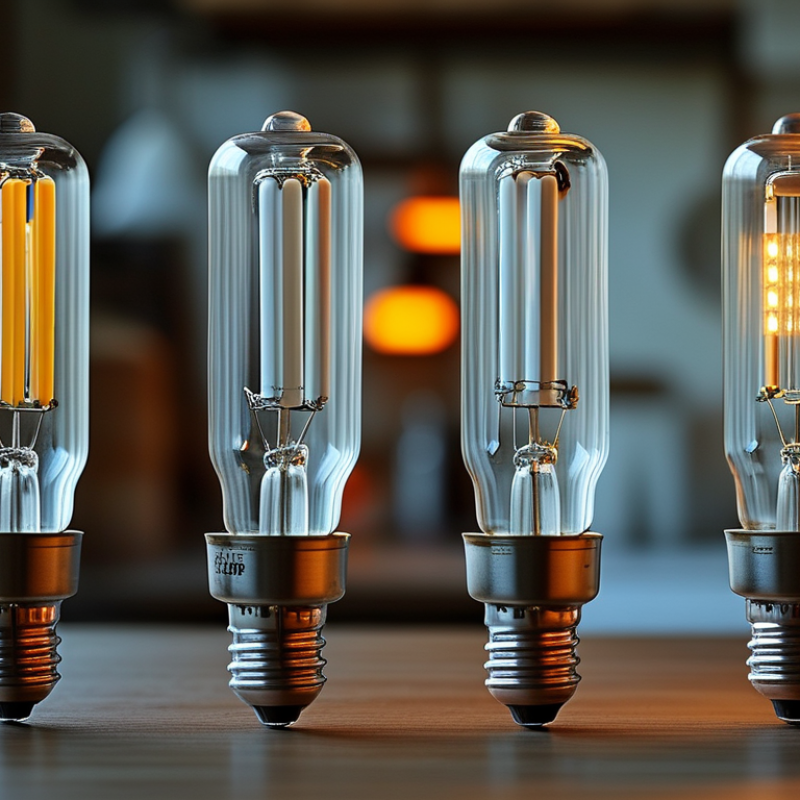
LED and incandescent bulbs differ significantly in their construction and technology. LEDs, or light-emitting diodes, use semiconductor materials to produce light. This technology allows them to convert electricity into light much more efficiently. Incandescent bulbs, on the other hand, generate light by heating a filament until it glows. This process is energy-intensive and results in a lot of wasted heat.
The longevity of LED bulbs can be attributed to their design. They typically last around 25,000 hours, while incandescent bulbs may last only about 1,000 hours. LEDs generate less heat, reducing the risk of overheating. This heat efficiency means they maintain better performance over time. Incandescent bulbs can burn out quickly due to filament fatigue or breakage. LEDs, by contrast, often dim gradually instead of failing suddenly, which can catch some users off guard.
However, not all contexts favor LEDs. Some people miss the warm light of incandescents or find the initial cost of LEDs off-putting. While LEDs might save money over time, the upfront investment can be challenging for budget-conscious buyers. As technology evolves, understanding these differences helps consumers make informed choices about lighting options.
LED bulbs and incandescent bulbs differ significantly in light production and energy efficiency. LEDs use semiconductor technology to create light. This method generates less heat than incandescents. As a result, more energy is converted into visible light. Incandescent bulbs waste a lot of energy through heat, making them inefficient.
When it comes to longevity, LED bulbs can last up to 25,000 hours. In contrast, incandescent bulbs typically last just 1,000 hours. This drastic difference is mainly due to the way each bulb is designed. LEDs operate cooler and endure power surges better than traditional bulbs. Incandescents rely on a delicate filament that burns out quickly.
**Tips:** Choose LED bulbs for their long lifespan and efficiency. They also reduce energy bills, as they use less electricity. Consider the color temperature of the light when purchasing. It can affect the mood of your space. Lastly, remember that switching to LEDs is an investment. The upfront cost may be higher, but the savings add up over time.
This chart illustrates the differences between LED bulbs and incandescent bulbs concerning their lifespan (in hours) and energy efficiency (in watts). LED bulbs significantly outlast incandescent bulbs while consuming less energy.
When comparing the lifespan of LED bulbs and incandescent bulbs, the differences are striking. LED bulbs can last up to 25,000 hours, while incandescent bulbs typically last around 1,000 hours. This vast difference is primarily due to the way each type of bulb generates light. LEDs convert more energy into light, producing less heat. Incandescent bulbs waste significant energy as heat, leading to quicker burnout.
Another factor is durability. LEDs are solid-state devices. They can withstand bumps and drops better than fragile glass incandescent bulbs. This quality makes LEDs a more reliable choice for various environments. In offices or homes, where lighting is frequently utilized, the extended lifespan of LEDs means less frequent replacements.
However, not all LEDs are created equal. Some cheaper models may not provide the same longevity. The technology continues to evolve, and not every LED bulb meets high-quality standards. Vigilance is key when purchasing. Understanding the benefits of LED technology can lead to better choices, ultimately influencing cost-effectiveness and environmental impact.
| Bulb Type | Average Lifespan (hours) | Wattage | Energy Efficiency (%) |
|---|---|---|---|
| LED | 15,000 - 50,000 | 8 - 20 | 80 - 90 |
| Incandescent | 1,000 - 2,000 | 40 - 100 | 10 - 17 |
Heat dissipation plays a crucial role in the longevity of LED bulbs compared to incandescent bulbs. LED bulbs convert most of their energy into light rather than heat. This efficiency means they generate less heat during operation. In contrast, incandescent bulbs waste around 90% of their energy as heat. The excessive heat can lead to quicker degradation of bulb components.
Effective heat management extends the lifespan of LED bulbs. They often include heat sinks that absorb and dissipate heat away from the light source. This maintains optimal operating temperatures, preventing damage to delicate electronic parts. With less thermal stress, LEDs can last tens of thousands of hours.
On the other hand, while LED technology excels in heat management, there is still room for improvement. Some LED bulbs can overheat if they lack proper ventilation. Consumer awareness of installation scenarios is important. In enclosed fixtures, heat buildup can become an issue, negating LED’s benefits. Educating users on appropriate use can enhance the overall performance and longevity of these energy-efficient bulbs.
LED bulbs present a compelling case for cost efficiency over time. While their initial price is higher than incandescent bulbs, studies indicate they offer significant savings in the long run. According to the Department of Energy, an LED bulb can last up to 25,000 hours compared to about 1,000 hours for an incandescent bulb. This longevity means fewer replacements and reduced waste.
Analyzing energy costs, LED bulbs consume about 75% less energy than incandescent bulbs. This translates to substantial savings on electricity bills. A common calculation shows that replacing a single incandescent bulb with an LED could save you around $80 in energy costs over the bulb's lifetime. Many households overlook these savings because they focus on the upfront cost. However, over time, the savings add up.
The transition to LED lighting also presents challenges. Some consumers may not appreciate the difference in light quality between LED and incandescent bulbs. Understanding the value of long-term savings requires a shift in thinking. Despite their higher initial cost, LED bulbs prove their worth through durability and efficiency.
: LEDs use semiconductor materials for light, while incandescents heat a filament. This makes LEDs more efficient.
LED bulbs last about 25,000 hours. Incandescent bulbs last roughly 1,000 hours. That's a big difference.
LEDs generate less heat than incandescent bulbs, making them safer and more efficient in the long run.
Some miss the warm light of incandescent bulbs. The initial cost of LED bulbs can also be a concern.
LED bulbs use about 75% less energy. This leads to significant savings on electricity bills over time.
Yes, some consumers find the light quality different. Adjusting to long-term savings requires a mindset shift.
Many focus on the upfront cost, ignoring long-term savings. Over time, LEDs can be more cost-effective.
LEDs often dim gradually, while incandescents can fail suddenly due to filament issues. This can be surprising.
Yes, their long lifespan means fewer replacements, leading to less waste in the environment.
Knowing the pros and cons helps consumers make informed decisions about their lighting choices in the future.
LED bulbs are known for their impressive longevity compared to traditional incandescent bulbs. This raises the question, "Why do LED bulbs last longer than incandescent bulbs?" The key lies in their differing light production mechanisms and energy efficiency. While incandescent bulbs generate light by heating a filament, which leads to significant energy loss through heat, LED bulbs produce light more efficiently by passing electricity through a semiconductor.
Additionally, the lifespan comparison reveals that LED bulbs can last up to 25 times longer than incandescent bulbs. Heat dissipation plays a crucial role in this longevity; LEDs emit far less heat, reducing the risk of damage over time. Furthermore, while the initial investment for LED bulbs may be higher, their cost efficiency over time is significant, as they save on energy bills and require less frequent replacements. In summary, the advanced technology in LED bulbs makes them a superior choice for long-lasting and cost-effective lighting solutions.

Bright Light Bulb