Why Is Minimalist Lighting Popular in Modern Interiors?

Time:2026-09-24 Author:Ethan
0%

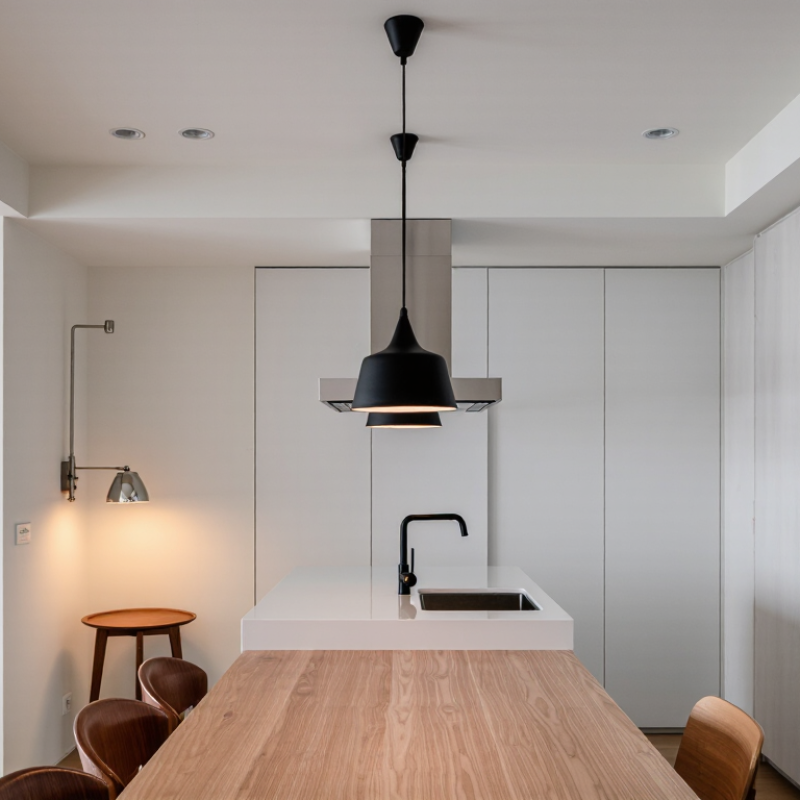
Why Is Minimalist Lighting Popular in Modern Interiors? The answer goes beyond appearance. Homeowners and designers often choose simple fixtures because they provide useful light without crowding a room. A slim pendant above a kitchen island, for example, can define the work area while leaving the ceiling visually calm. In smaller homes, that restraint can make rooms feel more open. It is not magic, though. Poor placement can leave corners dim or make a beautiful table difficult to use.

Why minimalist lighting is popular in modern interiors also comes down to how these fixtures work with everyday routines. Clear forms, warm light, and thoughtfully placed lamps can support reading, cooking, and quiet evenings. Many designs use materials such as glass, metal, or wood, so the fixture remains noticeable without dominating the space. Less visual noise.

This approach still asks for care. A single ceiling light rarely meets every need, and a very plain fixture may feel cold if its light is too bright. Layering ceiling, task, and accent lighting usually creates a more comfortable result. Details matter: the height of a pendant, the direction of a wall light, and the color temperature of a bulb can change how a room feels. I have seen minimal rooms look inviting, and others feel unfinished. The difference is often practical planning, not simply buying a simpler lamp. This introduction explores the appeal, design choices, and trade-offs behind minimalist lighting, so readers can judge whether it suits their own rooms.
Why Is Minimalist Lighting Popular in Modern Interiors?

What Is Minimalist Lighting?

Minimalist lighting is a way of illuminating a room with simple forms, restrained details, and a clear purpose. A fixture might have a slim metal stem, a plain shade, or a recessed light that nearly disappears into the ceiling. The goal is not to remove every lamp. It is to avoid visual clutter while giving people the light they need.

Good minimalist lighting considers both appearance and use. A pendant above a dining table should spread light across the surface without shining harshly into someone’s eyes. In a reading corner, a focused floor lamp can make a book easy to see while leaving the rest of the room softly lit. Warm bulbs, dimmers, and carefully placed fixtures help create comfort. Small changes matter.

Minimal does not mean automatically better. A beautiful fixture can still leave a hallway dim or make a kitchen counter difficult to use. I’ve found that lighting feels calmer when each source has a job, but rooms can seem flat if all the light comes from one ceiling fitting. Natural daylight, wall lights, and task lamps can work together without competing for attention. The restraint is in the choices, not simply in using fewer lights.

How Minimalist Lighting Evolved in Modern Interiors

Minimalist lighting did not appear overnight. Its roots lie in early modern design, when architects began favoring clean geometry, practical materials, and fewer decorative details. As homes became more open, lighting had to serve several spaces without visually dividing them. A simple pendant over a dining table or a recessed fixture along a hallway could provide clear light while keeping the room’s lines intact.

Over time, better manufacturing made slimmer profiles and smaller light sources easier to produce. Designers could hide fixtures in ceilings, tuck strips beneath cabinets, or use narrow floor lamps beside a reading chair. The light itself became part of the architecture. In a renovated apartment, for example, a low-profile ceiling fixture can preserve an uncluttered view while directing light onto a textured wall or wooden table. Small choices matter.

LED technology also changed expectations. Compact, efficient sources allow fixtures to take less space and offer adjustable brightness or warmer tones. Yet minimal does not always mean comfortable. A bare bulb can create glare, and a room with only recessed lights may feel flat. I have seen carefully edited spaces become less inviting when every fixture disappears. The evolution is still unfolding, and restraint works best when it considers how people actually read, cook, and relax.

What Design Features Define Minimalist Lighting?

Minimalist lighting is defined by restraint, clear geometry, and purposeful illumination. Fixtures often use slim rods, shallow discs, simple cylinders, or concealed LED strips. Their forms stay quiet. A matte white pendant above a kitchen island, for example, can provide task light without competing with the countertop. Black metal and brushed aluminum add contrast, while frosted glass softens glare.

The design is not simply “less is more.” Good minimalist lighting considers where light falls and how people use a room. A narrow beam can highlight a reading chair; indirect light washing across a wall can make a small room feel calmer. Dimmers and layered sources help adapt brightness throughout the day. In practice, one stark ceiling fixture may look tidy but leave corners gloomy. That trade-off is easy to miss in a showroom.

Proportion matters, too. A large pendant can overwhelm a compact dining table, while a tiny wall light may disappear on a broad wall. Clean installation helps preserve the effect: visible cords, uneven spacing, or harsh reflections can distract from an otherwise simple scheme. Warm or neutral color temperatures often suit living spaces, but the best choice depends on finishes and daylight. Test it in the room. Colors can shift. Minimal fixtures also need thoughtful maintenance; dust shows clearly on dark, flat surfaces, and integrated LEDs may be harder to replace than standard bulbs.

Why Is Minimalist Lighting Popular in Modern Interiors? — What Design Features Define Minimalist Lighting?

Design Feature What It Looks Like Why It Appeals in Modern Interiors Practical Consideration
Simple geometric forms Clean lines and basic shapes, such as cylinders, spheres, bars, or discs. Uncomplicated forms complement contemporary spaces without competing with furniture or architectural details. Choose a scale that suits the room; a simple fixture can still feel oversized in a compact space.
Unornamented surfaces Little or no decorative trim, pattern, or visible embellishment. A restrained appearance supports uncluttered interiors and helps keep attention on the overall room. Visible dust, fingerprints, or surface marks may stand out on some smooth finishes.
Neutral materials and finishes Common choices include matte black, white, brushed metal, glass, and natural wood. Neutral finishes are easy to coordinate with varied color palettes and interior materials. Match the finish to nearby hardware and surfaces where a cohesive look is desired.
Integrated or discreet light sources Light sources may be concealed, recessed, or incorporated into a slim fixture profile. Reducing visual bulk helps preserve a calm, streamlined appearance. Check whether the light source is replaceable and whether the fixture is compatible with the intended dimmer.
Functional, purposeful placement Fixtures are positioned to provide ambient, task, or accent lighting where it is needed. Minimalist design emphasizes useful illumination rather than decoration alone. Layering different types of lighting can help avoid glare and overly dark areas.
Controlled light distribution Shades, diffusers, or directional heads shape where light falls. Well-directed light supports visual comfort while keeping the fixture itself visually understated. Consider beam direction and diffusion for the task, such as reading, cooking, or general room lighting.
Compact visual profile Slim arms, low-profile ceiling fixtures, or small pendants with limited visual mass. These forms can make a room feel more open and allow other elements to remain prominent. Confirm that the fixture provides adequate illumination for the room and its intended use.

Why Is Minimalist Lighting Popular in Modern Interiors?

Minimalist lighting is popular because it makes a room feel calm without leaving it functionless. A slim pendant above a dining table, for example, gives the eye a clear focal point while keeping sightlines open. Recessed fixtures and narrow wall lights can brighten a hallway without adding visual clutter. The appeal is practical, too. The U.S. Department of Energy reports that residential LEDs use at least 75% less energy and last up to 25 times longer than incandescent lighting. Smaller fixtures can also direct light where it is needed, rather than filling a room with competing decorative shapes. Less, but deliberate.

Efficiency does not explain the whole trend. The International Energy Agency’s 2023 Global Status Report for Buildings and Construction estimates that buildings account for about 34% of global energy demand. That broader pressure encourages designers to consider efficient lighting alongside daylight, controls, and room use. Minimalist fixtures often pair naturally with dimmers and layered lighting: a soft ceiling wash, a reading lamp, and a focused task light. Yet restraint can become an excuse for poor planning. One tiny ceiling fixture may look clean in a photo and still leave kitchen counters dim. Good minimalism depends on placement, glare control, and enough light for real tasks—not simply fewer objects.

Minimalist interiors often use simple, efficient lighting. LEDs use at least 75% less energy than incandescent bulbs, making them a practical choice for clean, uncluttered spaces. Energy use is shown as an index, with incandescent lighting set to 100.

Source: U.S. Department of Energy, LED Lighting.

How Can Minimalist Lighting Be Used in Different Rooms?

Minimalist lighting works best when each room has a clear task. In a kitchen, a slim pendant over the island can define the work zone without crowding the view. Add recessed or under-cabinet lights to brighten chopping surfaces and reduce shadows. Keep the color temperature consistent; mixed whites can make food look oddly dull. Small detail, big difference.

In living rooms, use a floor lamp beside a reading chair and soft, indirect light near a wall. This creates depth without relying on one bright ceiling fixture. Bedrooms benefit from shaded bedside lights with reachable switches, while bathrooms need even mirror lighting that limits facial shadows. Choose fixtures suited to damp locations where required.

The U.S. Department of Energy reports that LED lighting uses at least 75% less energy and lasts up to 25 times longer than incandescent lighting. That makes LEDs a practical fit for frequently used spaces, though dimmer compatibility should be checked before installation.

Less hardware is not always better. A hallway with only one tiny fixture may look clean, yet feel uncomfortable at night. Aim light where people move, read, cook, or groom.

FAQS

What is minimalist lighting?

It uses simple fixtures and purposeful light. A slim stem or recessed ceiling light can keep visual clutter low.

Does minimalist lighting mean using fewer lamps?

Not necessarily. Each light should have a clear job. Too few sources can leave corners gloomy.

How can I light a dining table?

Choose a pendant that spreads light across the surface without glaring into diners’ eyes. Check its size against the table.

What lighting works well in a reading corner?

A focused floor lamp can make book pages easier to see. Keep the rest of the room softly lit.

How can layered lighting make a room feel calmer?

Combine daylight, wall lights, and task lamps. They can provide different levels of light without competing.

Which fixture shapes suit a minimalist room?

Slim rods, shallow discs, and simple cylinders work well. Concealed light strips can also keep the ceiling visually quiet.

Why should I test a fixture at home?

Colors change under different lighting and finishes. A fitting that looks gentle in a showroom may feel harsh at home.

What practical details should I consider?

Dimmers help adjust brightness during the day. Dust can show clearly on dark, flat surfaces, and some integrated LEDs are harder to replace.

Can one ceiling fixture light an entire room?

It may look tidy, but corners can stay dim. I still find that a single source can make a room feel flat.

Conclusion

Minimalist lighting is an approach that uses simple forms, clean lines, and carefully considered illumination rather than excessive decoration. Its development reflects a broader shift in modern interiors toward uncluttered spaces, practical design, and materials that feel calm and enduring. Common features include restrained shapes, neutral finishes, concealed or integrated light sources, and a focus on how light supports the room’s purpose.

Why minimalist lighting is popular in modern interiors comes down to its balance of function and visual simplicity. It can make a space feel open and cohesive while drawing attention to architecture, furnishings, or textures without overwhelming them. Thoughtful lighting can also create warmth and comfort, showing that minimal design need not feel cold. In living rooms, layered ambient and task lighting supports relaxing and gathering; in kitchens, focused illumination helps with everyday activities; and in bedrooms, softer light encourages a restful atmosphere. Across different rooms, choosing fixtures and brightness to suit each activity makes minimalist lighting both adaptable and inviting.

Ethan

Ethan

Ethan is a seasoned marketing professional with a deep expertise in our company's innovative product line. With a passion for sharing knowledge and insights, he takes the lead in regularly updating our corporate blog, where he explores industry trends, product features, and effective marketing......