How to Use Industrial Style Lighting in Homes and Offices?

Time:2026-10-14 Author:Isabella
0%

Industrial-style lighting brings exposed bulbs, dark metal, aged finishes, and practical shapes into everyday interiors. It can make a kitchen feel like a converted workshop, while giving an office a focused, confident atmosphere. The style is not limited to bare pendants or oversized factory lamps. Wall sconces, track lights, linear fixtures, and adjustable desk lamps can create a layered scheme with stronger visual balance.

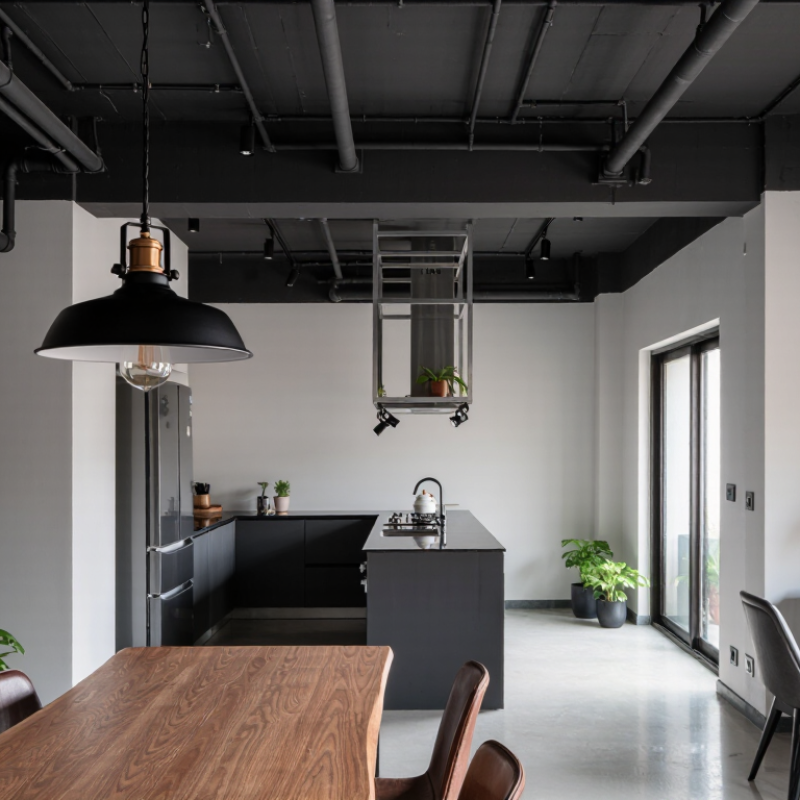
Why industrial-style lighting works in both homes and offices is its combination of character and function. In a home, a matte-black pendant above a wooden dining table adds contrast without overwhelming the room. In an office, adjustable task lights can illuminate work surfaces while reducing harsh shadows. Good planning matters. Ambient, task, and accent lighting should support different activities, rather than forcing one fixture to do everything.

Real installations often reveal small problems. A beautiful metal shade may cast uncomfortable glare on a computer screen. An exposed filament bulb may look warm, but offer insufficient light for reading. These details deserve honest attention. Choose suitable color temperatures, check brightness levels, and consider dimming where possible. Fixture placement should also respect circulation paths and ceiling height. A qualified electrician should handle wiring and installation, especially in older buildings. The result should feel intentional, not like a showroom copied without thought. Industrial lighting works best when its roughness is balanced with comfort, safety, and the daily habits of the people using the space.
How to Use Industrial Style Lighting in Homes and Offices?

Understanding the Core Features of Industrial-Style Lighting

Industrial-style lighting is defined by honest materials, visible structure, and practical illumination. Metal shades, exposed bulbs, dark finishes, and simple joints create its recognizable character. Look for matte steel, aged brass, concrete, or textured glass. These surfaces show small marks, which can make a room feel more authentic. However, raw-looking design should not mean careless construction. Safety still matters. Choose fixtures with clear electrical ratings, heat protection, and suitable certification for local regulations.

The strongest industrial schemes combine several lighting layers. A pendant above a dining table can provide focused light, while wall lamps soften nearby shadows. Track lights may work well in offices, especially above workstations or display areas. Select bulbs with comfortable color temperatures and good color rendering. Warm light can soften metal, but overly warm bulbs may reduce visual clarity at desks. I have found that scale matters more than expected. A large shade can dominate a small room quickly.

My first industrial lighting layout looked impressive in photographs, but it produced glare on computer screens. The exposed bulbs were also uncomfortable at eye level. I adjusted their height, added indirect wall lighting, and used diffusers in key areas. The room became less dramatic, yet more usable. That trade-off is easy to overlook. Fixed wiring should be inspected by a qualified electrician, particularly in older homes or renovated offices. Loose connections and unsuitable cables can turn an attractive fixture into a genuine hazard.

Choosing Fixtures for Different Home and Office Spaces

Industrial-style lighting works best when fixture choice follows the room’s job, not just its appearance.

In a kitchen, use a dark metal pendant above the island, supported by recessed or under-cabinet lighting. Aim for roughly 300–500 lux on work surfaces, consistent with common IES recommendations. A dining area can accept warmer, lower light. Keep the fixture high enough to protect sightlines.

Bedrooms need softer output, usually around 100–200 lux, with shaded wall lights near the bed. Raw steel can feel cold there. Add warm-color lamps around 2700–3000K for a more comfortable mood.

Hallways need safe, even illumination rather than dramatic shadows. Small ceiling fixtures often work better than oversized pendants.

Office lighting requires stricter control. Open work areas benefit from evenly distributed fixtures, while meeting rooms can use dimmable pendants. Choose diffusers to reduce screen glare. The U.S. Department of Energy reports that LED lighting uses at least 75% less energy and lasts up to 25 times longer than incandescent lighting. That supports efficient industrial styling without excessive maintenance.

I once selected a striking cage pendant for a home office. It looked impressive, but its exposed bulb created glare on the monitor. The lesson remains useful: visual drama needs testing. Check the fixture from seated eye level. Measure light after installation. Industrial design is not always practical on the first attempt.

Planning Layers of Light for Function and Visual Balance

How to Use Industrial Style Lighting in Homes and Offices?

Planning layers of light creates function and visual balance in industrial interiors. Ambient lighting should provide an even base across the room. Exposed bulbs, metal shades, and dark finishes can support the style. However, dramatic fixtures may create harsh shadows if placed without care. I have found that warm white light usually softens concrete, brick, and unfinished wood. Keep the mood comfortable.

Task lighting must follow real activities. Place an adjustable desk lamp beside a monitor, not directly behind it. Under-cabinet lighting can brighten a kitchen worktop without flooding the entire room. In a reading corner, aim the light toward the page and away from the eyes.

Offices need controlled brightness near screens. Glare often appears after installation, not during planning. That is an easy mistake to overlook.

Tips: Use dimmers where possible, and test each lighting layer at night. Leave some darker areas for contrast. Measure the beam direction before fixing a wall light. Choose bulbs with consistent color temperature throughout one zone. Still, perfect symmetry is not always comfortable. A slightly uneven arrangement may feel more natural, especially around shelves, dining tables, and shared workstations. Check shadows on faces before accepting the final position.

Selecting Materials, Bulb Types, and Color Temperatures

Industrial-style lighting works best when its materials feel useful, not merely decorative. Powder-coated steel suits kitchens, workshops, and office corridors because it handles daily contact well. Aged brass adds warmth, while clear glass exposes the bulb and spreads light without hiding its source. In humid rooms, choose corrosion-resistant finishes and damp-rated fixtures. I once used untreated metal above a sink, and small rust marks appeared within months.

Bulb selection changes the atmosphere significantly. LED bulbs are practical because they use less energy and produce less heat than older alternatives. Check lumens rather than watts when comparing brightness. A 1,000-lumen bulb can illuminate a compact desk, but a larger meeting table may need several fixtures. Choose a high color-rendering index for offices, studios, and kitchens. Colors look more accurate. Filament-style LEDs can create a vintage appearance, although some provide weak task lighting. That compromise is easy to overlook.

Color temperature should follow the room’s purpose. Around 2700K creates a warm, relaxed glow for lounges and reception areas. Neutral white, near 3500K, often suits home offices and dining spaces. Cooler light, around 4000K, can support detailed work, but it may feel harsh in a bedroom. Test one bulb before installing ten. I have found that attractive samples sometimes look too cold after sunset. Use dimmers only with compatible bulbs, and ask a qualified electrician to check wiring, load limits, and fixture safety.

Installing and Maintaining Industrial-Style Lighting Safely

Industrial-style lighting adds exposed metal, warm bulbs, and practical character to homes and offices. Yet its appearance should never outweigh electrical safety. Before installation, inspect the ceiling, wall structure, wiring, and intended fixture weight. Turn off the circuit at the breaker, then confirm it is dead with a reliable voltage tester. Do not depend only on the wall switch. A qualified electrician should connect new circuits, repair damaged wiring, or assess older buildings. Grounding matters, especially with metal shades and pendant bodies.

Tips: Choose fixtures rated for their location. Bathrooms and covered outdoor areas need suitable moisture protection. Check the lamp’s maximum wattage, leave space around hot surfaces, and secure every screw firmly. Keep cables away from sharp metal edges. During maintenance, switch off power and let bulbs cool completely. Wipe dust with a dry or slightly damp cloth, never spray cleaner into sockets. Examine loose shades, flickering bulbs, darkened terminals, and brittle insulation. These small signs deserve attention.

In offices, suspend fixtures high enough to avoid head contact, while keeping light even across desks. In homes, dimmers can reduce glare, but the fixture and lamp must support dimming. I have seen attractive installations fail because mounting plates were tightened too quickly. A slight tilt became obvious after sunset. Measure twice. If a fitting hums, smells hot, or repeatedly trips the breaker, stop using it and arrange professional inspection. Industrial style is forgiving visually, but electricity is not.

FAQS

What defines industrial-style lighting?

It uses honest materials, visible structures, and practical illumination. Metal shades, exposed bulbs, dark finishes, and simple joints are common. Small surface marks can add character. Raw-looking should not mean poorly made.

How can industrial lighting work in a home?

Combine several lighting layers for comfort and balance. Place a pendant above the dining table for focused light. Add wall lighting to soften nearby shadows. Keep some darker areas for contrast.

How should industrial lighting be planned in an office?

Place adjustable task lighting beside monitors, not behind them. Track lights can cover workstations or display areas. Control brightness near screens to reduce glare. Test the room after sunset.

How can glare from exposed bulbs be reduced?

Raise bulbs above eye level when possible. Use diffusers in areas facing desks or seating. Add indirect wall lighting to soften harsh reflections. My first layout looked dramatic but felt uncomfortable.

Which materials suit industrial-style fixtures?

Powder-coated steel suits kitchens, workshops, and corridors. Aged brass adds warmth to darker interiors. Clear glass shows the bulb and spreads light openly. Use corrosion-resistant finishes in humid rooms.

What bulb type is practical for industrial lighting?

LED bulbs usually use less energy and produce less heat. Compare brightness by lumens, not watts. Filament-style bulbs create a vintage appearance, but some provide weak task lighting. That compromise matters.

Which color temperature suits different rooms?

Around 2700K creates a relaxed glow in lounges and reception areas. Near 3500K often suits offices and dining spaces. Around 4000K supports detailed work but may feel harsh in bedrooms. Test one bulb first.

What safety checks are important?

Choose fixtures with clear electrical ratings and heat protection. Check certification for local requirements. Ask a qualified electrician to inspect fixed wiring, load limits, and unsuitable cables. Loose connections are dangerous.

How large should an industrial light fixture be?

Measure the room before choosing a dramatic shade. A large fixture can dominate a small space quickly. Check its beam direction and shadow pattern. Bigger is not always better.

Conclusion

Industrial-style lighting brings a practical, structured character to both residential and professional interiors. Why industrial-style lighting works in both homes and offices is its combination of durable materials, simple forms, and adaptable function. Metal shades, exposed bulbs, dark finishes, and clean geometric lines can complement kitchens, living rooms, bedrooms, reception areas, meeting rooms, and workstations without overwhelming the space. The key is choosing fixtures that match each room’s size, purpose, and existing décor.

A successful design uses layered lighting, combining ambient, task, and accent sources to improve visibility while creating visual balance. Consider materials such as steel, iron, glass, or wood, along with bulb shapes, brightness, and warm or cool color temperatures. Warm light can make homes feel inviting, while neutral or cooler light may support concentration in offices. Safe installation, suitable wiring, secure mounting, regular cleaning, and timely replacement of damaged components help maintain both performance and safety.

Isabella

Isabella

Isabella is a dedicated marketing professional with a sharp focus on driving brand growth and engagement through strategic content creation. With an extensive background in digital marketing, she combines her passion for storytelling with her keen understanding of industry trends to deliver......