Smart LED bulbs have gained popularity due to their advanced features and functionality. However, many consumers often wonder, "Why do smart LED bulbs cost more than regular LED bulbs?" To shed light on this topic, we turn to Dr. Emily Martinez, an expert in smart lighting solutions. She notes, "The technological enhancements in smart bulbs contribute significantly to their pricing."
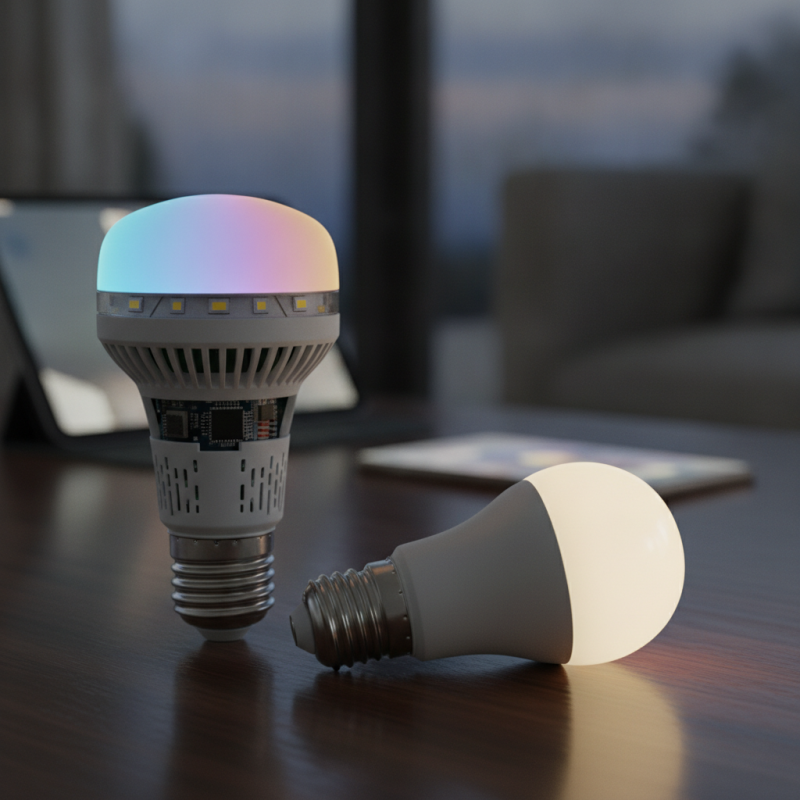
Smart bulbs offer connectivity options, allowing users to control lighting via smartphones or voice assistants. This added convenience comes from expensive components like Wi-Fi, Bluetooth, and smart sensors. Traditional LED bulbs simply do not require such sophisticated technology.
Moreover, smart bulbs often incorporate features like adjustable brightness and color, making them versatile for various settings. These enhancements lead to higher production costs. While some may view the price differences as significant, the long-term benefits, such as energy savings and convenience, can justify the investment. As the market continues to evolve, understanding these factors is crucial for consumers making informed decisions.
Understanding the Technology Behind Smart LED Bulbs
Smart LED bulbs utilize advanced technology, making them more complex than regular bulbs. They often include features such as remote control, scheduling, and energy monitoring. According to a report by MarketsandMarkets, the global smart lighting market is expected to reach $100 billion by 2025, underscoring the growing demand for these products.
The core technology behind smart LED bulbs often consists of wireless connectivity protocols such as Wi-Fi, Zigbee, or Bluetooth. These systems allow users to control their lights via smartphones or smart home devices. Research by IHS Markit showed that smart lighting can reduce energy consumption by up to 75% compared to traditional incandescent bulbs. However, installation can be tricky, and compatibility issues with existing home systems can arise.
Cost is also a factor in this discussion. While a standard LED bulb may cost between $2 to $10, smart LED bulbs range from $15 to $60. This price difference can deter consumers. Yet, the potential savings from reduced electricity bills may justify the initial investment for many households. Some users find these bulbs frustrating due to their reliance on technology and potential connectivity problems, which necessitate reflection on convenience versus reliability.
Comparative Analysis: Smart LED Bulbs vs. Traditional Incandescent Bulbs
Smart LED bulbs represent a significant shift in lighting technology. Unlike traditional incandescent bulbs, they integrate advanced features and connectivity. This leads to higher costs, but the benefits can make the investment worthwhile. Smart bulbs offer customizable lighting options, energy efficiency, and remote control capabilities. You can adjust brightness, color, and even set schedules from your smartphone.
The difference in longevity between smart LEDs and incandescent bulbs is noteworthy. Incandescent bulbs typically last around 1,000 hours, while smart LEDs can last up to 25,000 hours or more. This longer lifespan means fewer replacements, which can reduce overall costs over time. However, some consumers question whether these features justify the initial price.
Smart bulbs also often present a learning curve. Setting up Wi-Fi connections and navigating mobile apps can be daunting for some users. Not everyone finds these technologies intuitive. It’s important to consider whether the convenience of smart lighting aligns with your lifestyle and preferences. While smart bulbs offer innovative solutions, the traditional incandescent bulb still holds appeal for its simplicity and reliability. Choosing between the two depends on individual needs and comfort with technology.
Cost Breakdown: Manufacturing and R&D Expenses of Smart LED Bulbs
Smart LED bulbs have gained popularity for their innovative features. However, they come at a higher price than traditional bulbs. A significant factor contributing to this cost is the extensive research and development (R&D) involved in their creation. Reports suggest that R&D expenses for smart bulb technology can account for up to 30% of their retail price. These costs cover advanced technologies like wireless connectivity and integrated sensors.
Manufacturing smart LED bulbs also involves complex processes. According to industry data, the materials used in these bulbs, such as specialized semiconductors and microcontrollers, can be significantly more expensive than those in regular bulbs. For instance, the average production cost for a smart LED bulb can exceed $10, while a standard LED bulb may only cost around $3 to $4 to manufacture. This difference can be attributed to both the quality of materials and the precision required in assembly.
Despite these costs, the benefits are notable. Smart LED bulbs offer energy savings and enhanced functionality. However, not every consumer may need these features. A reflection on this could lead to considerations about their actual value in different households. For some users, smart technology may not justify the price. Balancing technology with necessity remains a challenge in this rapidly evolving market.
Energy Efficiency and Long-Term Savings: A Financial Perspective
Smart LED bulbs often have higher upfront costs than traditional bulbs. However, they bring notable energy efficiency. These bulbs use significantly less electricity, which can lead to lower monthly utility bills. Over time, the energy savings can offset their initial price.
Many consumers overlook the long-term financial benefits. A smart bulb averages around 25,000 hours of use, while a regular bulb lasts only about 1,000 hours. This lifespan means fewer replacements and reduced waste. For environmentally conscious consumers, this is an important factor to consider.
Durability is another aspect that impacts savings. Smart bulbs are designed with components that withstand wear and tear better than regular bulbs. Still, they can be more vulnerable to technology issues. This raises questions about maintenance costs and reliability. Balancing these factors is critical in determining if the investment aligns with one’s financial and environmental goals.
Market Trends: The Increasing Demand for Smart Lighting Solutions
The surge in demand for smart lighting solutions has redefined how consumers view home lighting. Smart LED bulbs offer features like remote control, scheduling, and energy efficiency, which regular bulbs simply cannot match. This growing trend reflects a shift in preferences towards convenience and sustainability. Homeowners are increasingly looking for ways to control their environment with technology.
Tips: Consider smart LED bulbs if you want to save on electricity bills. They can last up to 25,000 hours, far surpassing regular options. Their ability to change colors adds an ambiance that static bulbs cannot.
Yet, it's crucial to weigh the costs. Smart bulbs may be pricier upfront. This investment could yield long-term savings, but not everyone sees that potential immediately. For users unfamiliar with technology, setup might be daunting. Keeping up with software updates is necessary too. This can add complexity to an otherwise simple lighting solution.
As the market expands, consumers should evaluate their needs carefully. Not everyone requires smart features. Regular bulbs still hold their value for many. Balancing innovation with simplicity is key in this evolving landscape.
Comparative Costs of Smart LED Bulbs vs. Regular Bulbs
FAQS
: The cost stems primarily from R&D expenses, accounting for about 30% of the retail price.
Yes, materials like specialized semiconductors and microcontrollers are costlier than those in traditional bulbs.
The average production cost can exceed $10, compared to $3 or $4 for standard bulbs.
They offer energy savings, enhanced functionality, remote control, and scheduling capabilities.
Not necessarily. Some consumers may find that smart features do not justify the higher price.
Users unfamiliar with technology might find the setup and software updates challenging, complicating use.
These bulbs can last up to 25,000 hours, significantly outlasting traditional bulbs.
Yes, regular bulbs still hold value for many, balancing innovation against simplicity is essential.
Conclusion
Smart LED bulbs tend to be more expensive than regular LED bulbs due to several factors rooted in their advanced technology and functionality. Understanding the technology behind smart LED bulbs reveals that they incorporate features such as wireless connectivity, app control, and programmable scheduling, which add to their production costs. Moreover, a comparative analysis with traditional incandescent bulbs highlights the value of energy efficiency and longevity that smart LEDs provide, contributing to long-term savings on electricity bills.
Cost breakdowns indicate that the manufacturing and research and development expenses for smart LED bulbs are significantly higher, reflecting the investment in innovation and software integration. Additionally, market trends show a rising demand for smart lighting solutions, prompting manufacturers to focus on quality and enhanced features, thereby leading to increased pricing. Ultimately, answering the question, "Why do smart LED bulbs cost more than regular LED bulbs?" involves recognizing the blend of technology, efficiency, and consumer demand driving these costs.

 Bright Light Bulb