As outdoor spaces become more popular for relaxation and social gatherings, the importance of effective lighting grows. Experts advocate for the transition to LED lighting fixtures, focusing on their benefits. "Why should you switch to LED lighting fixtures for outdoor spaces?" says Michael Anderson, a lighting designer with over 15 years of experience. He highlights that LED lights not only enhance safety but also improve the ambiance.
LED lighting offers energy efficiency and longer lifespan, which means less frequent replacements. Imagine transforming your backyard with vibrant, color-changing LEDs that suit every occasion. Moreover, these fixtures reduce electricity bills, making them financially attractive. However, the initial investment can feel daunting to some.
While the advantages seem clear, the transition isn't flawless. There are many choices available, making it tricky to find the right style and brightness for your needs. Additionally, some homeowners may struggle with integrating LEDs into existing designs. Yet, with the guidance of experts and proper research, the benefits of LED lighting can greatly enhance outdoor environments.
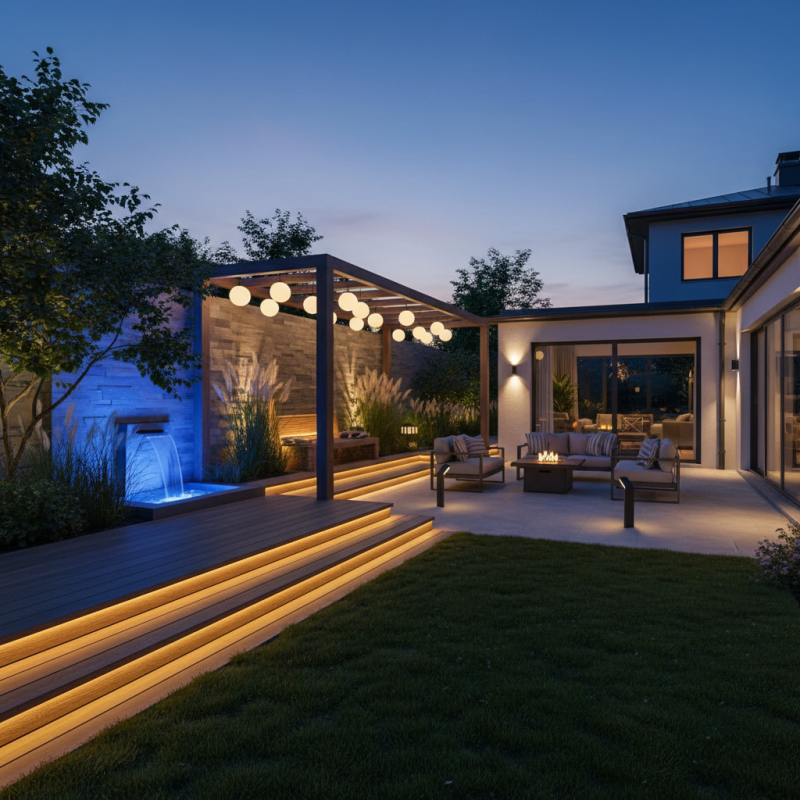
Benefits of LED Lighting in Outdoor Spaces: Energy Efficiency Insights
When considering outdoor lighting, energy efficiency should be a top priority. LED lighting fixtures significantly outperform traditional options. According to the U.S. Department of Energy, LEDs use at least 75% less energy than incandescent lighting. This directly translates to lower electricity bills for homeowners and businesses alike, making them a cost-effective choice over time.
The lifespan of LED lights is another vital aspect. They can last up to 25,000 hours, compared to just 1,000 hours for incandescent bulbs. This durability means less frequent replacements and reduced waste. While the initial investment for LED fixtures might be higher, the long-term savings are substantial. This is a crucial factor for both residential and commercial settings.
Moreover, LEDs produce minimal heat, making them safer. Traditional bulbs can pose a fire risk when installed in certain outdoor environments. LED lighting not only lowers energy costs but also minimizes environmental impacts. A balance between aesthetics and efficiency can be achieved with strategic outdoor lighting using LEDs. This not only enhances safety but also creates an inviting atmosphere in outdoor spaces. Yet, some may find the harshness of certain LED lights less appealing at times. Exploring various options and styles can help overcome this.
Longevity of LED Fixtures: A Comparison with Traditional Lighting Options
The longevity of LED fixtures stands out when compared to traditional lighting options. LED lights can last up to 25,000 hours or more, far exceeding incandescent bulbs, which often burn out after just 1,000 hours. According to the U.S. Department of Energy, switching to LED lighting can reduce energy consumption by up to 75%. This means fewer replacements and lower maintenance costs in the long run.
Moreover, while the upfront cost of LED fixtures may be higher, they yield significant savings over time. A nationwide assessment from the American Council for an Energy-Efficient Economy highlights that LEDs have a longer lifespan, making them an environmentally friendly choice. They also produce less heat, reducing cooling costs for outdoor spaces. However, some users may find the initial installation daunting, often leading to second thoughts.
The durability of LED fixtures also translates into lower environmental impact. Fewer replacements mean less waste in landfills. Yet, a misconception persists that all LEDs provide the same quality. Some LED products can flicker or dim prematurely. It's essential to choose quality fixtures to truly reap the benefits. Attention to detail in this selection process can enhance both performance and longevity.
Cost Savings from LED Lighting: Analyzing Lifespan and Maintenance
LED lighting offers significant cost savings for outdoor spaces, primarily due to its impressive lifespan and low maintenance needs. According to the U.S. Department of Energy, LED bulbs can last up to 25,000 hours, compared to only 1,000 hours for traditional incandescent bulbs. This longevity translates to reduced replacements and labor costs. When communities invest in LED fixtures, they often find that their lighting expenses decrease by up to 80%.
Maintenance is another critical factor. Traditional outdoor lights require frequent bulb replacements, increasing labor and material costs. In contrast, fewer replacements mean less frequent hiring of maintenance crews. A study by the Lighting Research Center found that using LED lighting can cut maintenance costs by more than 30%. However, the initial investment in LED technology can be daunting for some organizations. It requires careful consideration, as the long-term savings must outweigh upfront costs.
LED lighting also offers superior energy efficiency, consuming up to 75% less energy than traditional options. While this may seem appealing, it’s essential to consider electricity costs in relation to local energy prices. Some areas may have higher energy rates, affecting overall savings. Transitioning to LED can be beneficial, but it demands a thorough analysis of long-term financial impact. Communities should weigh these factors carefully before making the switch.
Environmental Impact of Switching to LED: Reducing Carbon Footprint
Switching to LED lighting fixtures for outdoor spaces significantly impacts our environment. According to the U.S. Department of Energy, switching all lighting to LEDs could reduce electricity consumption by 40%. This change leads to a staggering decrease in carbon dioxide emissions. For each LED bulb, we can save about 0.5 tons of CO2 annually. This statistic highlights the potential of LEDs in combating climate change.
Additionally, LED bulbs have a longer lifespan than traditional options. LEDs can last up to 25,000 hours compared to only 1,000 hours for incandescent bulbs. This longevity reduces waste in landfills and cuts down on the need for frequent replacements. However, it's important to consider that the production of LEDs also has an environmental cost. Manufacturing processes can contribute to pollution if not managed wisely.
While the benefits are clear, transitioning to LED lights requires education on their proper use. Some installations may not maximize their efficiency, leading to wasted energy. It’s crucial to evaluate outdoor lighting designs carefully. This ensures we make the most of the energy savings LEDs promise. Balancing efficiency with environmental responsibility remains a challenge we must address as we embrace modern lighting solutions.
10 Reasons to Switch to LED Lighting Fixtures for Outdoor Spaces
| Reason |
Impact |
Carbon Footprint Reduction |
Lifespan (Years) |
| Energy Efficiency |
Reduces energy consumption up to 80% |
Saves approx. 1000 kg CO2/year for an average home |
15-25 |
| Lower Maintenance Costs |
Fewer replacements lead to reduced upkeep |
Decreases emissions from manufacturing and transport |
15-25 |
| Durability |
Resistant to shocks and vibrations |
Reduces waste and associated emissions |
15-25 |
| Improved Light Quality |
Brighter, more effective outdoor lighting |
Enhances visibility with less energy use |
15-25 |
| Environmentally Friendly |
Contains no hazardous materials |
Supports sustainability efforts by reducing toxic waste |
15-25 |
| Instant Lighting |
No warm-up time required |
Minimized energy waste during startup |
15-25 |
| Variety of Colors |
Wide range of colors available |
Enhances aesthetic appeal with low energy |
15-25 |
| Dimmable Options |
Flexibility in light intensity |
Further reduction in energy use |
15-25 |
| Long-Term Cost Savings |
Lower electricity bills |
Reduces overall carbon emissions |
15-25 |
| Smart Technology Compatibility |
Integration with smart home systems |
Optimizes energy use and reduces waste |
15-25 |
Enhancing Safety and Security with LED Lighting in Outdoor Areas
LED lighting is a game changer for outdoor safety and security. One significant advantage is their bright illumination. The brightness of LED lights helps to deter potential intruders. Well-lit areas create a sense of safety. They make outdoor spaces safer for families and pets. Lighting pathways and entry points reduces accidents in dark areas. Moments of vulnerability can be diminished with proper lighting.
Moreover, LEDs consume less energy. This equates to lower utility bills and fewer resources consumed. However, it’s crucial to position lights wisely. Misplaced fixtures can create shadows that invite mischief. Thoughtful placement boosts visibility while minimizing dark spots. Regular maintenance is also needed to ensure effectiveness. Outdated or broken fixtures can create blind spots.
Investing in LED lighting contributes to community security. A well-lit neighborhood fosters a sense of belonging. Residents feel safer and more connected. Issues may arise from excessive brightness, creating light pollution. Striking the right balance in illumination is essential. It enhances both safety and comfort for all who enjoy the outdoors.
FAQS
: LED fixtures can last over 25,000 hours, much longer than incandescent bulbs, which last about 1,000 hours.
Switching to LED lighting can cut energy consumption by up to 75%, leading to lower utility bills.
Some find the initial installation daunting, leading to second thoughts about making the switch.
LEDs produce less waste due to fewer replacements, making them a more environmentally friendly option.
No, some LEDs may flicker or dim early. Choosing high-quality fixtures is essential for optimal performance.
Their brightness helps deter intruders, creating safer outdoor spaces for families and pets.
Misplaced fixtures can create shadows and dark spots, inviting mischief and reducing visibility.
Excessive brightness can cause light pollution. Balancing illumination is key for comfort and safety.
Yes, regular maintenance keeps them effective and prevents blind spots from outdated or broken lights.
Conclusion
Why should you switch to LED lighting fixtures for outdoor spaces? The benefits are numerous and compelling. First and foremost, LED lighting offers significant energy efficiency, consuming less power compared to traditional lighting options, which translates to lower electricity bills. Additionally, LED fixtures boast a longer lifespan, reducing the frequency of replacements and associated maintenance costs, ultimately leading to greater cost savings over time.
Moreover, transitioning to LED lighting can have a positive environmental impact by reducing your carbon footprint, as these fixtures are designed to be more sustainable. Beyond the financial and ecological advantages, LED lighting enhances safety and security in outdoor areas, providing brighter illumination that deters potential hazards and improves visibility. In summary, making the switch to LED fixtures in outdoor spaces is not only an economical choice but also a responsible and secure one.

 Bright Light Bulb