As more people embrace energy-efficient lighting, the question arises: How to use dimmer switches with LED bulbs? The rise of LED technology has transformed our homes, but not all dimmer switches are compatible with these modern bulbs. Navigating this compatibility can be tricky.
Understanding the right dimmer switch is crucial. Traditional dimmers may struggle with LED bulbs. This can lead to flickering or inadequate dimming. It's essential to research and select dimmers designed for LEDs. This is where understanding the nuances becomes significant.
The process doesn’t end with installation. Testing various scenarios is key. You might notice that some settings work better than others. This process may involve adjustments and fine-tuning. The journey to perfect lighting is often a bit imperfect. Learning from mistakes can ultimately lead you to an ideal setup.
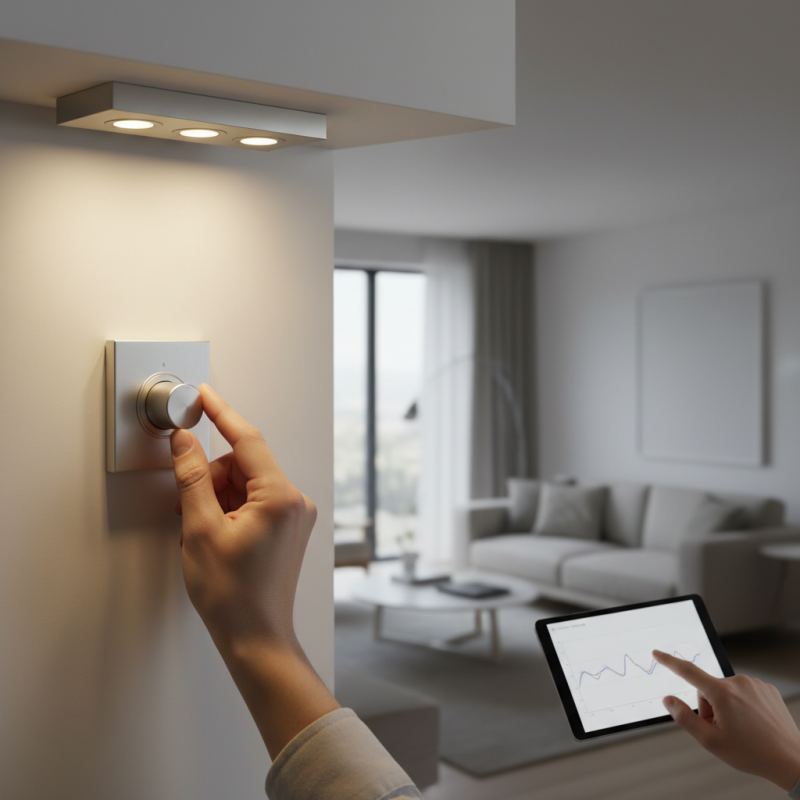
Dimmer switches have become popular among homeowners. They not only enhance ambiance but also save energy. However, not all LED bulbs work seamlessly with dimmers. Understanding the compatibility is essential for achieving optimal performance.
LED bulbs require specific dimmer switches for effective functionality. Standard dimmers, designed for incandescent bulbs, may not deliver the desired results with LEDs. Poor performance includes flickering or buzzing sounds. Incompatible dimmers can lead to a shorter lifespan for the bulbs. Therefore, checking the compatibility of the dimmer with the LED bulb is crucial.
Some dimmers are labeled as "LED compatible," but this does not guarantee perfect performance. Installation may still require some adjustments. It’s wise to consult product specifications or seek advice from lighting professionals. Testing different combinations can help find the right fit. Patience is needed here, as the right setup might take time to discover.
When considering LED bulbs for dimmer switches, it's essential to choose the right type. Not all LED bulbs are designed to work with dimmers. According to the Department of Energy, using compatible LED bulbs can lead to energy savings of up to 75% compared to traditional incandescent bulbs. Choosing the right product ensures that the dimming feature functions smoothly without flickering or unexpected buzzing.
There are specific categories of LED bulbs suitable for dimming. “Dimmable LED” should be clearly labeled on the packaging. The most efficient options often include two main types: standard dimmable LEDs and adjustable-color models. Both types provide flexibility in brightness and ambiance. A study from the Lighting Research Center found that dimmable LEDs typically have a longer lifespan than non-dimmable LEDs, lasting up to 25,000 hours. However, performance may vary across brands, and not all dimmable LEDs behave the same with different dimmer switches.
It's worth noting that using incompatible bulbs can lead to frustrating issues. You might experience flickering or a limited dimming range. In some cases, the bulb might not turn on at all. This inconsistency highlights the need for thorough compatibility checks. While the market offers many options, careful selection remains crucial for achieving desired lighting effects. Always consult a professional if in doubt.
Installing dimmer switches can elevate your lighting experience. Start by gathering tools. You will need a screwdriver, wire strippers, and a voltage tester. Ensure safety first. Turn off the power at the breaker box before beginning.
Remove the old switch carefully. Take note of how the wires connect. You might see two or three wires. Use the voltage tester to confirm there’s no power. Strip the ends of the wires if needed. Then, connect the dimmer switch. Follow the manufacturer's instructions closely. Secure the wires under the dimmer’s terminal screws.
After that, tuck the wires back into the wall. Attach the dimmer switch to the wall plate. Turn the power back on to test. Adjust the brightness to your liking. Sometimes the dimmer may not work perfectly with all LED bulbs. This can lead to flickering or buzzing. If so, consider adjusting your bulb choice or seeking expert advice.
When it comes to adjusting brightness levels with LED dimmer switches, understanding compatibility is essential. Many LED bulbs are designed for dimming, yet not all work seamlessly with standard dimmers. A report from the US Department of Energy indicates that nearly 30% of LED users experience flickering or buzzing when using incompatible dimmer switches. This points to the importance of choosing the right dimmer for your lighting needs.
LED dimmers facilitate functional and aesthetic adjustments by allowing users to set the desired ambiance. Dimmer switches can help save energy by reducing power consumption. According to a study by the Lighting Research Center, dimming LEDs by 50% can lead to energy savings of about 20-30%. This not only reduces electricity bills but also extends the lifespan of LED bulbs. However, users should be mindful that not all dimmers offer the same efficiency.
It is also worth considering the presence of non-dimming switches in LED setups. Many users inadvertently use them, limiting the flexibility of brightness levels. This can lead to dissatisfaction with the lighting experience. Ultimately, educating oneself about compatible products and their specifications is crucial to avoid common pitfalls in dimming technology.
LED dimmer switches can enhance the ambiance of a room, but they may not function correctly sometimes. Common issues include flickering, buzzing sounds, and an inability to dim properly. According to industry research, approximately 30% of homeowners experience these problems. Understanding how to troubleshoot them is essential.
Flickering usually indicates incompatibility. Many standard dimmer switches are not designed for LED technology. Replacing older dimmers with LED-compatible ones can alleviate this issue. A study by a leading lighting organization found that utilizing the right dimmer reduces flickering by 80%. It's also important to check the wattage. Overloading a dimmer can lead to buzzing sounds. Ensure the combined wattage of all bulbs does not exceed the switch's rating.
Another common issue is insufficient dimming range. Some LED bulbs do not dim as low as traditional incandescent ones. Testing different brands can yield better performance. In some cases, the bulb itself may lack quality. Research shows that using high-quality bulbs reduces these problems significantly. Addressing these common issues can improve your lighting experience significantly.
| Issue | Description | Solution |
|---|---|---|
| Flickering Lights | LED bulbs flicker when the dimmer is set to low or off. | Replace the dimmer switch with one compatible with LED bulbs. |
| Inability to Dim | LEDs remain at full brightness regardless of dimmer setting. | Ensure using an LED-compatible dimmer and check the wattage rating. |
| Buzzing Noise | Hear a humming or buzzing sound when dimming. | Install a more compatible dimmer or try a different LED bulb brand. |
| Color Temperature Changes | The color of the light changes when dimmed. | Use high-quality LED bulbs designed for dimming. |
| Overheating | Dimming causes the fixture to become hot. | Check for compatibility and ensure correct wattage load. |
: Look for “Dimmable LED” on the packaging. Standard and adjustable-color bulbs are suitable choices.
Compatible LED bulbs can save up to 75% energy compared to incandescent bulbs.
Incompatible bulbs may flicker, buzz, or not turn on. Compatibility prevents these issues.
Dimmable LEDs can last up to 25,000 hours, but performance varies by brand.
You will need a screwdriver, wire strippers, and a voltage tester for installation.
Turn off the power at the breaker box before starting any installation.
Some dimmers may not work well with certain LED bulbs, causing flickering or buzzing.
Follow the manufacturer's instructions closely when connecting wires to the dimmer.
If issues arise, consider changing the bulb type or seek professional assistance.
Note how wires are connected and check for power using a voltage tester.
In today's lighting solutions, understanding how to use dimmer switches with LED bulbs is essential for creating the desired ambiance in any space. The compatibility of dimmer switches with LED bulbs can vary, so it’s important to choose the right types of LED bulbs that are specifically designed for dimming.
To utilize dimmer switches effectively, a step-by-step installation guide is crucial, as is learning how to adjust brightness levels seamlessly. Additionally, troubleshooting common issues can help address any flickering or performance problems that may arise. By following these guidelines, users can ensure optimal functionality and enjoy an enhanced lighting experience with their LED bulbs.

Bright Light Bulb