The shift towards sustainable living has garnered significant attention. One area where this change is evident is in lighting. Many are asking, "What are the environmental benefits of using LED lighting fixtures?" The advantages are numerous, making them a popular choice among eco-conscious consumers.
LED lighting consumes less energy compared to traditional bulbs. This efficiency translates directly into lower greenhouse gas emissions. Additionally, LEDs have a longer lifespan, reducing the frequency of replacements. This longevity leads to less waste in landfills.
Another critical benefit is their reduced heat output. Less heat means less energy needed for cooling. Moreover, LEDs contain no harmful substances like mercury, making disposal safer for the environment. However, it’s essential to consider upfront costs, as they can be higher than traditional options. This investment reflects long-term savings and environmental benefits. It’s a complex decision for many. Ultimately, the adoption of LED fixtures can significantly impact our planet’s future.
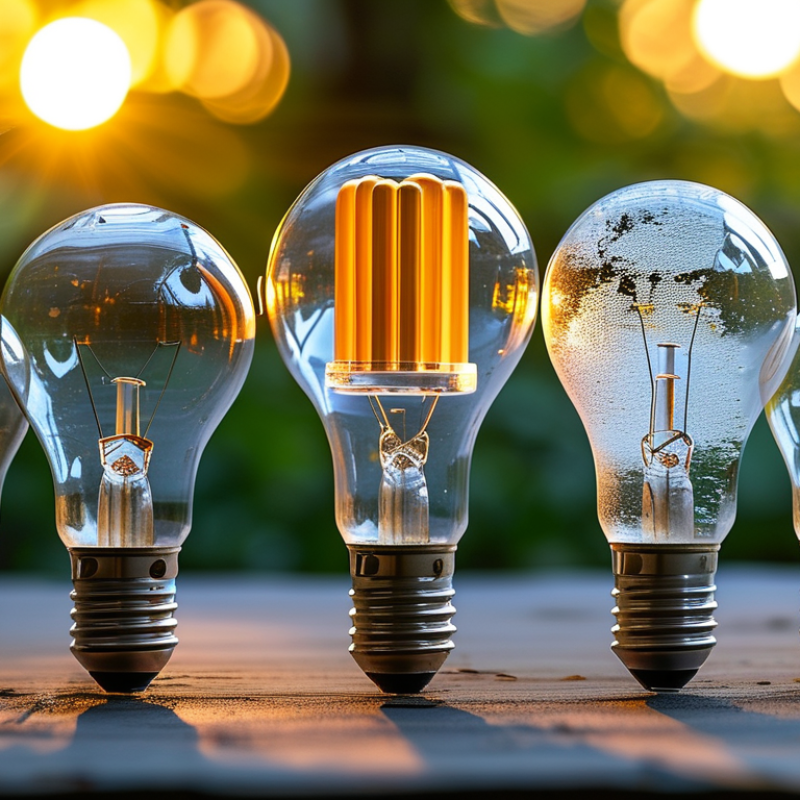
Advantages of LED Lights Over Traditional Lighting in Energy Consumption
LED lighting fixtures offer remarkable benefits over traditional lighting, particularly in energy consumption. According to the U.S. Department of Energy, LED lights use at least 75% less energy than incandescent bulbs. This significant reduction translates into lower energy bills for households and businesses alike. The efficiency of LEDs means they can produce the same amount of light as traditional bulbs while consuming much less electricity.
Beyond financial savings, the environmental advantages are substantial. A study by the International Energy Agency forecasts that widespread adoption of LEDs could save 1,400 terawatt-hours of electricity by 2030. This reduction equates to eliminating the output of 1,200 power plants. Moreover, fewer fossil fuels burned for electricity leads to reduced greenhouse gas emissions. While the initial cost of LEDs might seem high, they last longer—often up to 25,000 hours—compared to 1,000 hours for incandescent bulbs. This longevity contributes to less waste, another crucial factor in environmental sustainability.
However, it’s essential to evaluate the global accessibility of this technology. In some regions, the higher upfront cost can be a barrier. This discrepancy can lead to unequal benefits in energy savings and emissions reductions across different communities. While LEDs present a compelling case for environmental improvement, challenges remain in ensuring equitable access to this efficient technology.
Reduction of Carbon Emissions Through LED Adoption
The adoption of LED lighting fixtures significantly contributes to reducing carbon emissions. Data from the U.S. Department of Energy reveals that switching to LED lighting can cut energy consumption by up to 80%. This dramatic reduction leads to less electricity generation, which in turn decreases carbon dioxide emissions from fossil fuel power plants. As cities switch to LED streetlights, carbon footprints shrink substantially.
In urban areas, energy-efficient lighting can potentially prevent millions of metric tons of carbon emissions each year. For instance, the city of Los Angeles reported a reduction of 47,000 metric tons of CO2 due to its LED conversion program. However, challenges remain in ensuring widespread adoption. Not all regions have access to the necessary funding or infrastructure for such changes.
While LED technology is advancing, its production can generate additional waste. The lifecycle of LED lights also raises concerns. Recycling processes are not always straightforward. As cities push for greener solutions, reflections on production and disposal methods are essential. Balancing benefits and challenges in LED adoption involves continuous evaluation and innovation.
Longevity of LED Fixtures and Its Impact on Waste Management
LED lighting fixtures have a remarkable longevity that significantly impacts waste management. Unlike traditional bulbs, LEDs can last up to 25,000 hours. This translates into fewer replacements over time, reducing the demand for manufacturing new bulbs. The production process of lighting fixtures involves substantial resources. By using longer-lasting solutions, we can alleviate some of this environmental burden.
Moreover, the waste generated from burnt-out bulbs is a growing concern. Traditional incandescent and fluorescent lights often end up in landfills. Many of these have harmful materials, like mercury, which can leach into the soil. In contrast, LED fixtures typically use non-toxic materials, making them safer for disposal. However, they still require proper recycling processes. The distinction between recyclable and non-recyclable waste can sometimes blur, leading to improper disposal. This highlights the need for increased awareness and robust recycling programs.
Despite the numerous benefits, challenges remain. Not everyone has access to efficient recycling facilities. In rural areas, local options may be limited. The convenience of throwing bulbs in regular trash is tempting. People’s habits play a crucial role in how effectively we manage this waste. Without proper infrastructure, even the most sustainable choices can fall short.
Conservation of Natural Resources with LED Technology
LED lighting technology plays a crucial role in conserving natural resources. According to the U.S. Department of Energy, if every American switched to LED bulbs, we could save approximately $3 billion annually on energy costs. This translates to a substantial reduction in greenhouse gas emissions. The production of LED lights consumes less energy compared to traditional lighting, thereby reducing reliance on fossil fuels.
Moreover, LED fixtures boast a significantly longer lifespan, lasting 25,000 to 50,000 hours. This longevity minimizes waste generation. Traditional incandescent bulbs typically last only around 1,000 hours. With fewer bulbs in circulation, the environmental impact of production and disposal decreases.
Despite these advantages, the adoption of LED technology faces hurdles. Not all consumers are aware of the benefits. Additionally, initial costs can be higher, which may deter some individuals. Educating the public on the long-term savings and environmental impact is necessary. Engaging communities can spur interest and drive forward a collective movement towards sustainability.
Enhanced Efficiency in Urban Lighting with LEDs
Urban lighting has evolved with the adoption of LED fixtures. These lights use less energy than traditional options. As cities switch to LEDs, they see significant reductions in energy consumption. This transition leads to lower electricity bills for municipalities. Streets, parks, and public spaces become brighter and safer.
LED technology has a longer lifespan. This minimizes the need for frequent replacements. Less waste is generated, contributing to environmental preservation. However, the initial costs can be a hurdle for some cities. Budget constraints may lead to slower adoption of these efficient technologies. Gaps in understanding LED benefits can also affect decision-making.
Despite challenges, the advantages of LED lighting are clear. Improved visibility enhances safety for pedestrians and cyclists. Well-lit areas deter crime, creating a sense of security. Cities that embrace this technology show a commitment to sustainability. This shift reflects a growing awareness of environmental responsibility in urban planning.
FAQS
: LED fixtures can last between 25,000 to 50,000 hours, much longer than traditional bulbs.
LEDs reduce waste by lasting longer, resulting in fewer replacements and less manufacturing demand.
LED fixtures use non-toxic materials, making them safer than traditional bulbs, especially for landfill disposal.
Access to efficient recycling facilities can be limited, especially in rural areas, complicating proper disposal.
Yes, switching to LED can save about $3 billion annually in energy costs, reducing greenhouse gas emissions.
Convenience and lack of recycling awareness often lead to improper disposal of bulbs by individuals.
Absolutely, increased awareness and robust recycling programs are crucial to address waste management challenges.
Initial higher costs and lack of consumer knowledge about long-term benefits can deter adoption.
LED production consumes less energy, reducing reliance on fossil fuels and decreasing overall waste generation.
Educating communities can enhance interest in LEDs, encouraging sustainable choices and collective action for environmental impact.
Conclusion
What are the environmental benefits of using LED lighting fixtures? LED lighting presents numerous advantages over traditional lighting, particularly in energy consumption. By utilizing significantly less energy, LEDs contribute to the reduction of carbon emissions, helping combat climate change. Moreover, the longevity of LED fixtures means less frequent replacements, which subsequently reduces waste and minimizes the environmental impact associated with manufacturing and disposing of lighting products.
Additionally, the conservation of natural resources is a critical aspect of LED technology, as it requires fewer materials and energy to produce and operate. Cities employing enhanced efficiency in urban lighting with LEDs can experience reduced electricity demand, leading to lower emissions from power generation. Overall, the adoption of LED lighting fixtures plays a vital role in promoting sustainability and fostering a healthier environment.

 Bright Light Bulb