Understanding the difference between warm and cool LED lights is essential for making informed lighting choices. LED lights come in various color temperatures, measured in Kelvin (K). Warm LED lights typically have a color temperature ranging from 2700K to 3000K. These lights emit a soft, yellowish glow, creating a cozy atmosphere. They are ideal for living rooms and bedrooms, where relaxation is key.
On the other hand, cool LED lights range from 4000K to 6500K. These lights produce a bright, bluish-white light. They are suitable for environments that require focus and clarity. Offices and kitchens often benefit from this type of illumination. What is the difference between warm and cool LED lights? It's about the mood and functionality they bring to different spaces.
While warm lights promote comfort, cool lights enhance productivity. However, too much cool lighting can feel harsh. Finding the right balance can be challenging. Consider your space and its purpose. Each type of LED light has its place. Ultimately, understanding these differences allows for better lighting choices that cater to individual needs.
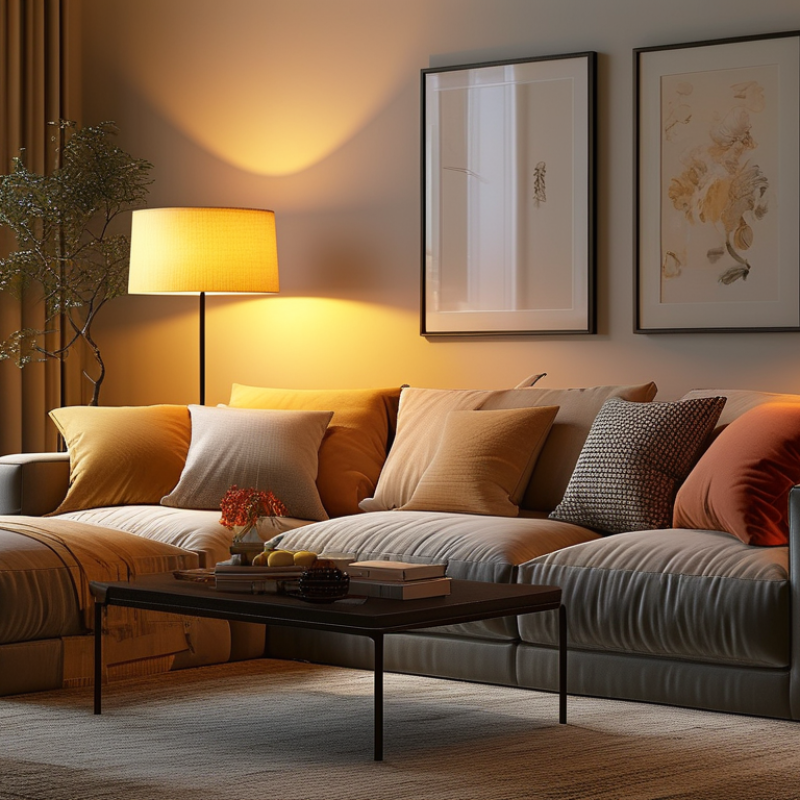
Understanding LED Light Color Temperature
LED lights come in various color temperatures, affecting the mood of a space. Warm LED lights usually have a color temperature of 2700K to 3000K. They emit a soft, inviting glow that resembles traditional incandescent bulbs. This makes them ideal for cozy areas like living rooms and bedrooms. People often feel relaxed in these settings.
Cool LED lights, on the other hand, range from 4000K to 6500K. They emit a brighter, more energizing light. These lights are great for workspaces or areas needing focus and clarity. Many individuals find that cool lights help reduce eye strain during tasks. However, excessive use of cool lighting can feel harsh, so balance is essential.
Understanding these differences can enhance your lighting choices. Consider the activities in each room before selecting a color temperature. Warm lights promote relaxation while cool lights boost concentration. Reflect on how lighting influences your daily life. It is important to choose the right type to create the desired atmosphere. Choosing improperly can lead to discomfort or ineffective spaces.
Difference Between Warm and Cool LED Lights Explained? - Understanding LED Light Color Temperature
| Attribute |
Warm LED Light |
Cool LED Light |
| Color Temperature (Kelvin) |
2700K - 3000K |
4000K - 6500K |
| Color Appearance |
Soft, Warm |
Bright, Crisp |
| Best Use Cases |
Living Rooms, Bedrooms |
Offices, Workspaces |
| Emotional Effect |
Cozy, Relaxing |
Alert, Focused |
| Energy Efficiency |
Moderate |
High |
Defining Warm LED Lights: Characteristics and Uses
Warm LED lights offer a cozy and inviting ambiance, ideal for home settings. These lights emit a soft, yellowish glow, typically measured between 2700K and 3000K on the Kelvin scale. They are perfect for living rooms, bedrooms, and dining areas where a relaxed atmosphere is desired. Warm LED lights create a sense of comfort, making them popular for residential spaces.
One key characteristic of warm LED lights is their ability to enhance colors in a warm color palette. This feature adds depth to interiors, making wood tones and earthy hues appear richer. Warm lights can also evoke feelings of nostalgia, reminiscent of traditional incandescent bulbs. However, it's essential to choose the right warmth to match your space's color scheme.
Tips: Consider experimenting with dimmers to adjust brightness. This flexibility can enhance the atmosphere for different occasions. When selecting warm LED bulbs, check the color rendering index (CRI). A higher CRI ensures that colors appear more vibrant and true to life under the light. If you find that warm light feels too yellow or dim, reflect on the overall design of your space and balance it with adequate lighting sources.
Exploring Cool LED Lights: Characteristics and Benefits
Cool LED lights have distinct characteristics that set them apart. They emit a bluish hue, which can create a crisp and modern atmosphere. This type of lighting is often linked to increased focus and alertness. It mimics daylight, making it ideal for environments like offices or study rooms. Many people find that cool lights enhance their productivity.
One notable benefit of cool LED lights is their energy efficiency. They consume less power compared to traditional incandescent bulbs. This results in lower electricity bills and a reduced carbon footprint. However, it's essential to consider how these lights affect mood. Some find the brightness overwhelming, leading to visual discomfort.
Cool LED lights are versatile for various applications. They work well in kitchens and bathrooms, where bright light is necessary. Their clean appearance can be both functional and aesthetically pleasing. Yet, it's crucial to balance their use with softer lighting in relaxation areas. Finding the right mix can enhance a space without compromising comfort.
Comparing the Effects of Warm and Cool LED Lighting
When comparing the effects of warm and cool LED lighting, it’s essential to understand their distinct characteristics.
Warm LED lights emit a soft, yellowish glow. This type of lighting creates a cozy and inviting ambiance, making it ideal for living spaces like bedrooms and lounges. It is often favored in eateries for its comforting effect.
On the other hand, cool LED lights produce a brighter, bluish-white light, closely resembling daylight. This kind of lighting is perfect for workspaces. It enhances focus and alertness, making your tasks easier.
The impact of lighting on mood and productivity is significant. Warm lighting can promote relaxation and help reduce stress. However, it may not be suitable for tasks requiring concentration. Conversely, while cool lighting can boost energy and attention, it may also lead to feelings of sterility or coldness in certain environments.
Finding the balance between these two lighting types is crucial. Consideration of the space's purpose and desired atmosphere can guide your choice. Ultimately, the effectiveness of LED lighting largely depends on personal preference and specific use cases.
Choosing the Right LED Light for Your Space
Choosing the right LED light for your space can significantly impact the atmosphere. Warm LED lights typically emit a yellow or orange hue, creating a cozy feel. They are perfect for living rooms or bedrooms, where relaxation is the priority. This type of lighting is often likened to traditional incandescent bulbs, providing a comforting ambiance.
On the other hand, cool LED lights, emitting blueish tones, are great for workspaces. They can enhance focus and productivity, making them suitable for home offices or kitchens. However, some people may find cool lights too harsh for leisure areas. Balancing warmth and coolness in your lighting is crucial.
Consider the activities in each space. For a calm evening, warm tones can set the mood. Conversely, if bright, concentrated light is needed, cool LEDs might be more appropriate. Reflect on your needs and preferences. Striking the right balance may take time and experimentation. Listen to your environment and adjust accordingly for the best lighting experience.
FAQS
: Warm LED lights emit a cozy, yellowish glow, ideal for creating inviting spaces.
Living rooms, bedrooms, and dining areas benefit significantly from warm LED lighting.
They enhance warm color palettes, making wood tones and earthy hues appear richer.
Too much yellow may feel overwhelming; consider adjusting the color balance in your design.
Cool LED lights mimic daylight, promoting focus and alertness, ideal for work environments.
They are energy-efficient, leading to lower electricity bills and a smaller carbon footprint.
Yes, some may find cool lights too bright, potentially causing visual discomfort.
Kitchens and bathrooms are great for cool LED lights due to their brightness.
Incorporating softer lighting in relaxation areas can create a more comfortable atmosphere.
Check their color rendering index (CRI) for vibrant and true-to-life colors.
Conclusion
The article "Difference Between Warm and Cool LED Lights Explained?" provides a comprehensive guide to understanding LED light color temperature. It begins by defining warm LED lights, which typically emit a yellowish light that creates a cozy and inviting atmosphere, making them ideal for residential spaces like living rooms and bedrooms. In contrast, cool LED lights produce a bluish hue that is known for enhancing focus and productivity, making them suitable for workspaces and kitchens.
Furthermore, the piece compares the effects of warm and cool LED lighting on mood and functionality, emphasizing that the choice between them depends on personal preference and the specific needs of each space. Ultimately, the article answers the question, "What is the difference between warm and cool LED lights?" by highlighting their characteristics, uses, and benefits, guiding readers in selecting the appropriate lighting for their environments.

 Bright Light Bulb