How long will a bulb really serve your home, workshop, or commercial space? The answer depends on technology, operating conditions, and the meaning of “lifespan.” When people ask, “What is the lifespan of LED lights compared to traditional bulbs,” they often expect one simple number. The reality is less tidy.
James R. Brodrick, formerly associated with the U.S. Department of Energy’s solid-state lighting program, stated, “LEDs use at least 75% less energy, and last 25 times longer, than incandescent lighting.” That comparison is useful, but it is not a promise for every installation. A typical incandescent bulb may last about 1,000 hours. Many household LEDs are rated between 15,000 and 25,000 hours. Some high-quality models reach 50,000 hours under suitable conditions. Compact fluorescent bulbs commonly last longer than incandescent bulbs, but they still differ from LEDs.
This guide compares rated life, real-world performance, and replacement patterns. It also examines heat, ventilation, voltage stability, and frequent switching. A hot enclosed fixture can shorten an LED’s useful life. Poor-quality drivers can fail before the diode itself. That detail is easy to miss.
The comparison is not perfect. Manufacturers use laboratory ratings, while homes create dust, vibration, and temperature changes. A bulb may remain faintly lit, flicker, or lose brightness before it completely fails. Therefore, lifespan should include both operating hours and maintained light output. This article offers practical context, not marketing certainty, so readers can choose lighting with clearer expectations.
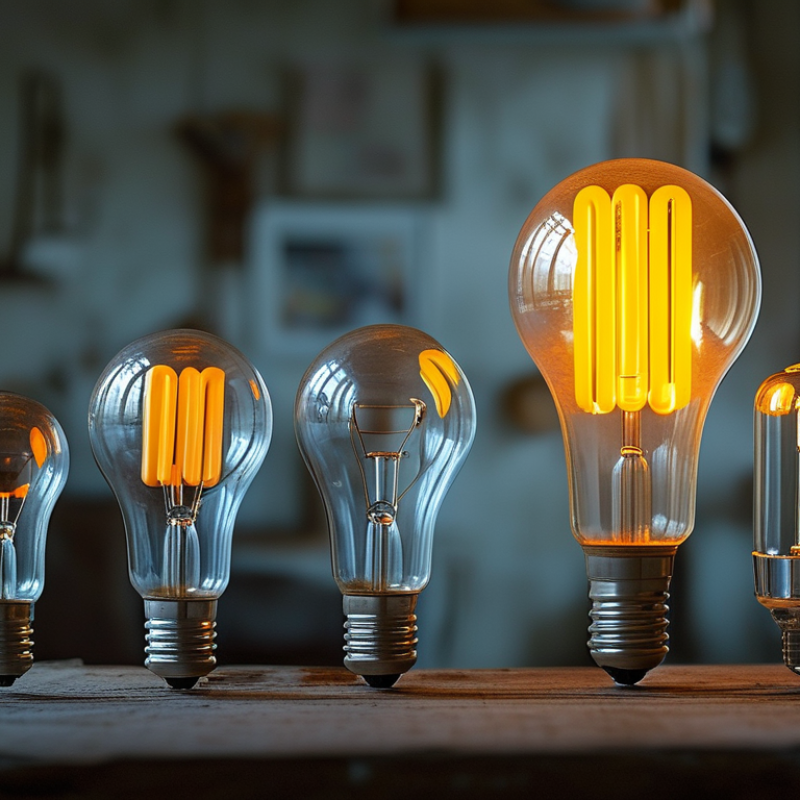
What Determines the Lifespan of LED and Traditional Bulbs?
LED and traditional bulbs age for different reasons. An LED usually loses brightness gradually, rather than failing instantly. Manufacturers often define its lifespan by L70, meaning light output falls to about 70 percent of its original level. Heat is a major factor. Poor ventilation, enclosed fixtures, and hot ceilings can shorten LED performance. The internal driver also matters because it controls current and manages electrical stress.
Traditional bulbs depend on a heated filament. Each use creates expansion and contraction, slowly weakening the thin wire. Frequent switching can increase this stress. Voltage above the intended level may make the filament glow brighter, but it also reduces its working life. Vibration, moisture, and rough handling can cause earlier failure. In my experience, a bulb used in a quiet, dry room often lasts longer than its package suggests. Real conditions are rarely perfect.
Tips: Check the fixture’s temperature rating before installing an LED. Keep ventilation openings clear. Use the correct voltage and wattage. For traditional bulbs, avoid unnecessary switching in short intervals. I once ignored a warm enclosed fitting, and its bulb failed far sooner than expected. That mistake showed me that lifespan claims need context. A useful comparison should examine daily operating hours, heat, switching frequency, and actual brightness over time.
How LED and Traditional Bulb Lifespans Are Measured
How to Compare LED Lights and Traditional Bulb Lifespans?
Comparing bulb lifespans requires more than reading the number of rated hours. Traditional bulbs are usually measured by failure. In controlled tests, manufacturers operate many samples under a fixed voltage and environment. The rated life often marks the point when half the samples have failed. It is an average, not a promise for every bulb.
LED lifespan is measured differently. Testing often tracks lumen maintenance, or how much light remains over time. An LED may receive an L70 rating, meaning it is expected to retain 70% of its original brightness. It may still turn on afterward. That detail can make LED and traditional bulb figures appear misleadingly similar. They are not always measuring the same event.
Real conditions also change the result. Frequent switching can shorten some traditional bulbs’ service lives. Heat trapped inside a small fixture can reduce LED performance. Poor ventilation, unstable voltage, dust, and moisture may matter too. In my own comparisons, the brightest bulb was not always the longest-lasting one. That was an easy mistake.
Look for the test temperature, operating hours, switching pattern, and stated measurement standard. Check whether the number describes total failure or reduced brightness. A laboratory rating gives useful evidence, but household use remains less predictable. Even careful comparisons have limits.
Typical Operating Hours of Different Bulb Types
How to Compare LED Lights and Traditional Bulb Lifespans?
Typical Operating Hours of Different Bulb Types
A traditional incandescent bulb usually operates for 750 to 1,000 hours. Halogen bulbs often last between 1,000 and 2,000 hours. Compact fluorescent bulbs commonly reach 8,000 to 10,000 hours. LED lights can operate for 15,000 to 50,000 hours, depending on design and conditions. These figures are rated estimates, not promises.
Daily use makes the difference visible. A hallway bulb used three hours each evening may run for about one year if it lasts 1,000 hours. An LED with a 25,000-hour rating could serve that same hallway for more than twenty years. It may fail earlier in a hot, enclosed fixture. Poor ventilation matters. So does frequent switching.
Maintenance checks should include flickering, darkened glass, and loose connections. A bulb that remains cool may still have damaged internal components. I have seen people compare only operating hours, then overlook replacement frequency and energy use. That approach feels incomplete. An LED usually consumes less electricity, but its actual lifespan can change with heat, power quality, and dimmer compatibility. Check the fixture’s temperature rating and the bulb’s certified specifications before making a comparison.
Factors That Shorten or Extend Bulb Lifespan
LED lights usually last far longer than traditional incandescent bulbs, but their ratings need careful interpretation. An incandescent bulb may provide about 1,000 hours, while an LED often reaches 15,000 to 50,000 hours. These figures come from controlled tests, not every ceiling fixture in a real home.
Heat matters. Poor ventilation traps warmth around the LED driver and can shorten its useful life. An enclosed fitting, dusty shade, or hot attic may reduce performance, even when the light still turns on. Traditional bulbs also suffer from vibration, frequent switching, and fragile filaments. Vibration hurts. A loose socket can create extra heat and uneven electrical contact.
Stable voltage extends both types, although LEDs are especially sensitive to unsuitable dimmers or weak internal electronics. Choose compatible controls, keep connections secure, and allow air to move around the fitting. Moisture deserves attention. Bathrooms, porches, and unsealed outdoor fixtures need suitable protection. Repeated switching is particularly hard on incandescent filaments, while LED components mainly struggle with heat and poor-quality power.
Usage habits change the calculation. A hallway light used for ten minutes daily may last years, even with a modest rating. An LED left burning all night adds heat and energy use. It is easy to trust the biggest hour number. I would check fixture temperature, operating hours, and control compatibility before comparing prices. Ratings are guides. A warm, sealed fixture can turn a long rating into a disappointing replacement.
How to Compare LED Lights and Traditional Bulb Lifespans?
Typical rated lifespans of common household light sources, measured in operating hours.
LED lamps typically last around 25,000 hours, while incandescent bulbs commonly last about 1,000 hours.
Halogen lamps generally last about 2,000 hours, and compact fluorescent lamps (CFLs) about 8,000 hours.
Lifespan can be shortened by frequent switching, high operating temperatures, voltage fluctuations,
poor ventilation, moisture, and incompatible dimmers. Proper installation, adequate heat dissipation,
stable voltage, and using the correct dimmer can help extend service life.
How to Compare Long-Term Bulb Reliability and Replacement Needs
How to Compare LED Lights and Traditional Bulb Lifespans?
How to Compare Long-Term Bulb Reliability and Replacement Needs
Comparing bulb lifespan means examining replacement patterns, not just printed hours. A typical LED is rated for 15,000 to 50,000 hours, while an incandescent bulb often lasts about 1,000 hours. These figures assume controlled testing. Real rooms are less kind. Heat trapped inside a sealed ceiling fitting can shorten an LED’s life. Frequent switching, vibration, and unstable voltage can also matter. An LED may still glow, but its output can become noticeably weaker.
For long-term reliability, check rated life, lumen maintenance, switching-cycle data, and operating temperature. A bulb used in a stairwell may face hundreds of starts each week. In that setting, switching endurance matters more than impressive total hours. In a shaded table lamp, heat buildup may be the larger concern. I once focused only on the 25,000-hour label and overlooked the fixture’s narrow enclosure. That comparison looked precise, but it was incomplete. Heat matters. Replacement planning should include access costs, ladder work, disposal, and the inconvenience of sudden failure.
Traditional bulbs often fail abruptly, with a visible broken filament. LED products can fail differently. Their driver may stop working, or brightness may fade gradually. Keep a simple record of installation dates in busy areas. Replace groups together when matching light levels matter, but do not discard working bulbs automatically. A slightly cheaper bulb may require earlier replacement, especially during long nightly use. Published test conditions help, yet actual ventilation and usage should guide the decision. Small details count.
Conclusion
Understanding bulb lifespan requires more than comparing the number of hours printed on a package. LED and traditional bulbs are evaluated differently: LED lifespan is often based on the time it takes for light output to decline, while traditional bulb ratings usually reflect the expected time before failure. In general, LED lights can operate for tens of thousands of hours, whereas incandescent and other conventional bulbs typically last far fewer hours. This makes the question “What is the lifespan of LED lights compared to traditional bulbs” especially important when estimating long-term lighting costs and maintenance needs.
Actual performance depends on operating conditions. Frequent switching, heat, vibration, unstable voltage, poor ventilation, and unsuitable fixtures can shorten a bulb’s service life. Proper installation, adequate airflow, compatible controls, and choosing the correct bulb for its environment may extend reliability. Comparing total operating hours, brightness retention, energy use, replacement frequency, and maintenance requirements provides a clearer picture of long-term value than considering purchase price alone.

 Bright Light Bulb