LED bulbs have revolutionized the lighting industry with their energy efficiency and longevity. However, many users encounter frustrating issues that can diminish their experience. Understanding "What are the most common problems with LED bulbs and how to fix them?" is crucial for optimizing their use.
Some common problems include flickering, dimming, or even premature bulb failure. These complications can stem from incorrect dimmer switches or voltage fluctuations. In fact, users often overlook simple fixes, like checking compatibility or replacing faulty fixtures.
As LED technology evolves, new issues may arise, revealing the need for ongoing learning. Reflecting on these challenges can lead to better troubleshooting strategies. Engaging in regular maintenance and understanding your products empowers consumers, making lighting both effective and reliable. With these insights, you can enjoy the clarity and efficiency that LED bulbs are meant to offer.
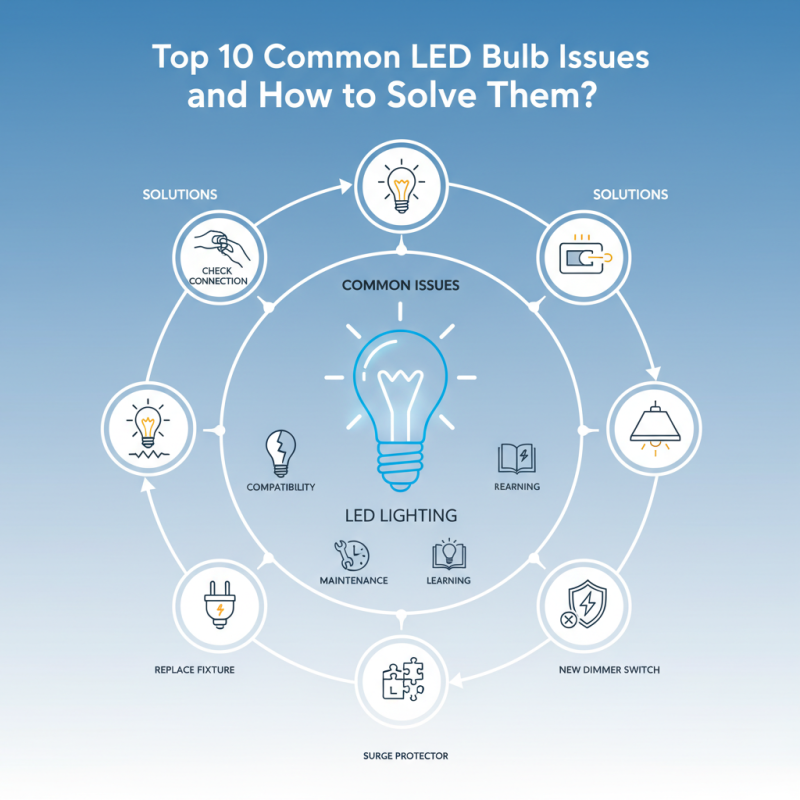
Common LED Bulb Problems and Their Identifications
LED bulbs have become the preferred choice for many homeowners due to their energy efficiency and long lifespan. However, users often encounter common problems. Recognizing these issues can help in prompt resolutions.
Flickering lights are one of the notable complaints. This can occur due to an incompatible dimmer switch or a poor connection. If the flickering persists, checking the wiring might be necessary.
Another issue is a buzzing sound, which often stems from faulty dimmers or low-quality bulbs. It’s crucial to match the dimmer’s specifications to the bulb type.
Some users report that their LED bulbs burn out quickly. This may indicate overheating or high voltage. Positioning bulbs in well-ventilated fixtures can mitigate this risk. However, regular monitoring is essential, as even the best designs can malfunction unexpectedly.
Noticing color discrepancies in the light output can also signal a defective bulb. Early identification of these problems can enhance the longevity and efficiency of your LED lighting.
Understanding Flickering Issues in LED Bulbs
Flickering issues in LED bulbs can be both annoying and misleading. They often occur due to incompatible dimmer switches. These switches may not provide a steady flow of electricity. When this happens, you see a flicker. Sometimes, it can be as simple as a loose connection. Ensure all wires are tight and secure.
Another factor contributing to flickering is voltage fluctuations. These can come from numerous sources, like overloaded circuits or appliances drawing too much power. Checking your home’s electrical system can help identify these problems. Try using a voltage stabilizer for more consistent lighting.
In some cases, the LED bulb itself may be faulty. Look for poor manufacturing or outdated technology. Not all LED bulbs are created equal. Reading reviews and product specifications before purchasing can lead to better choices. Making informed decisions minimizes flickering issues.
Exploring LED Bulb Dimming and Compatibility Challenges
Dimming issues often plague LED bulbs. Users frequently complain of flickering or inconsistent brightness. This can stem from incompatible dimmer switches. Many traditional dimmers don't work well with LEDs. This mismatch can lead to frustrating lighting experiences.
Improving compatibility is key. Check the specifications of your dimmer. Ensure it is marked as LED-compatible. If flickering persists, consider adjusting the load. Adding more bulbs can sometimes solve the issue.
Here are some tips: Use bulbs that specifically mention dimming capabilities. This can save you from future headaches. Consult an electrician if needed. They can guide you on the best dimmer options. Remember, patience is vital in troubleshooting. Adjustments often take time to perfect.
Addressing Overheating Concerns in LED Lighting
Overheating is a common concern among LED bulb users. Research from the U.S. Department of Energy revealed that overheating can drastically reduce the lifespan of LED bulbs. Excessive heat can lead to premature failures and diminished performance, impacting light quality. Typically, an LED bulb should operate well below 85°C. However, poor design or inadequate heat dissipation methods can cause temperatures to rise beyond this threshold.
To mitigate overheating, proper ventilation is crucial. Many users overlook the importance of fixtures that allow heat to escape. Opting for bulbs with integrated heat sinks or those specifically designed for enclosed spaces can help. Additionally, consider the wattage of the bulb and ensure it aligns with the fixture’s specifications. Overloading a fixture can cause significant heat buildup, ultimately affecting bulb longevity.
Maintaining ambient temperatures also plays a role. High ambient temperatures in a room can exacerbate overheating issues. Regularly checking for dust accumulation on bulbs and fixtures can aid in maintaining optimal performance. While LED technology is designed to be energy-efficient, awareness of potential overheating can lead to better choices in lighting and prolonged lifespan for these fixtures.
Solving Short Lifespan Problems in LED Bulbs
When dealing with short lifespan problems in LED bulbs, several factors come into play. One common issue is overheating. If bulbs are enclosed in fixtures, heat doesn’t dissipate well. This can shorten their lifespan significantly. Ensure there is adequate ventilation around each bulb. It’s crucial to check the wattage too; using higher wattage bulbs than recommended can lead to overheating.
Another factor affecting lifespan is poor-quality drivers. These components regulate the power to the bulb. If they fail, the bulb won’t last long. It’s wise to invest in bulbs with high-quality drivers for better performance. Additionally, flickering can indicate electrical issues. Check the connections and ensure that the voltage is stable. Any fluctuations can harm the LED’s longevity.
Lastly, using LED bulbs on incompatible dimmer switches can reduce their life span. Many LED bulbs are not designed to work with older dimmers. This can lead to a poor experience and decreased efficiency. Consider exploring modern dimmers designed specifically for LED technology. By addressing these issues, you can improve the life and reliability of your LED bulbs.
Top 10 Common LED Bulb Issues and How to Solve Them
| Issue |
Description |
Solution |
| Short Lifespan |
LED bulbs burning out quicker than expected. |
Check for overheating; ensure adequate ventilation and use high-quality bulbs. |
| Flickering |
Bulb flickers or dims sporadically. |
Inspect the fixture; tighten connections, or replace the dimmer switch. |
| Color Shift |
LEDs changing color after some time. |
Choose bulbs with better color consistency and temperature ratings. |
| Overheating |
Bulbs become too hot to touch. |
Ensure bulbs are not enclosed and replace with lower wattage if necessary. |
| Incompatibility with Dimmers |
LEDs not working properly with dimmer switches. |
Use LED-compatible dimmers. |
| Buzzing Noise |
Audible buzzing from the bulb. |
Replace with high-quality bulbs or LED-compatible dimmers. |
| Light Output Degradation |
Brightness decreases over time. |
Choose bulbs with longer rated lives and maintain optimal temperatures. |
| Color Temperature Variation |
Different bulbs emit varied color temperatures. |
Purchase from trusted manufacturers to ensure uniformity. |
| Physical Damage |
Bulbs are broken or cracked. |
Handle with care, replace damaged bulbs immediately. |
| Inconsistent Brightness |
Some bulbs shine brighter than others. |
Use bulbs from the same batch and ensure proper fixture compatibility. |
Conclusion
When it comes to lighting solutions, LED bulbs are popular for their energy efficiency and longevity. However, they can still present issues for users. This article addresses the question of "What are the most common problems with LED bulbs and how to fix them?" by highlighting key concerns such as flickering, dimming compatibility, overheating, and short lifespan.
Flickering often results from incompatible dimmer switches or electrical surges, and can usually be resolved by ensuring compatibility and checking connections. Dimming challenges may arise from the LED technology's limitations alongside older dimmer designs. Overheating can indicate poor ventilation or overloading circuits, which can be remedied by using properly rated fixtures and ensuring adequate airflow. Lastly, to combat short lifespan issues, one should prioritize high-quality products and avoid frequent on-off cycling. By understanding and addressing these common problems, users can optimize their LED lighting experience.

 Bright Light Bulb