LED lighting has revolutionized the way we illuminate high-traffic areas. These spaces, including airports, shopping malls, and busy streets, require effective lighting to ensure safety and visibility. A report by the U.S. Department of Energy highlighted that LED lights use 75% less energy than traditional incandescent bulbs. This energy efficiency is not just beneficial for the environment; it also translates into significant cost savings for businesses.
What are the advantages of using LED lighting in high-traffic areas? One key advantage is the longevity of LED lights. They last up to 25 times longer than conventional bulbs, reducing the frequency of replacements and maintenance. However, the initial investment can be daunting for some businesses. There also may be challenges in adapting existing fixtures to accommodate LED technology.
In addition to cost benefits, LED lighting enhances safety. Bright, clear lighting improves visibility, helping to prevent accidents in crowded environments. Some critics argue that LEDs can be too harsh in certain settings, leading to complaints about glare. Even so, the overall benefits often outweigh the drawbacks, making LED a compelling choice for high-traffic areas.
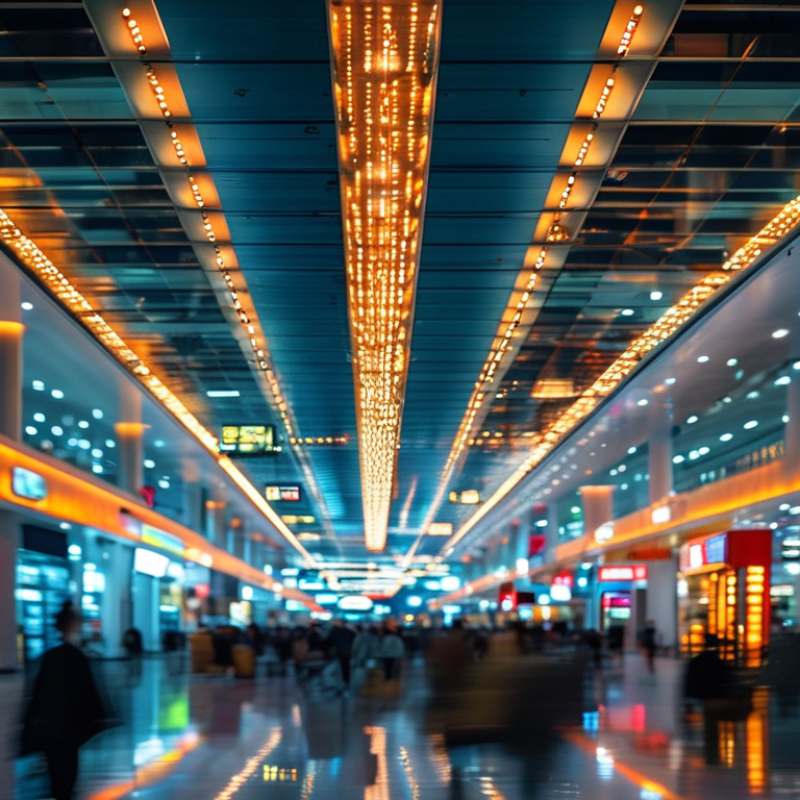
Overview of LED Lighting Technology and Its Benefits
LED lighting technology has transformed high traffic areas, offering numerous advantages that enhance visibility and safety. Unlike traditional alternatives, LED lights provide brighter illumination while consuming significantly less energy. This technology is designed for durability, making it ideal for environments where fixtures experience heavy use. The long lifespan of LEDs means less frequent replacements, reducing maintenance costs and disruptions.
One notable feature of LED lighting is its adjustable brightness. This allows for customization based on the specific needs of high traffic areas, such as parking lots or busy walkways. Instant on/off capabilities mean that LEDs provide immediate light, crucial during emergencies. However, while LEDs generally offer excellent performance, they can sometimes create harsh lighting if not properly diffused.
Environmental considerations are also vital. LEDs reduce energy consumption, leading to lower carbon footprints. Yet, some challenges persist, such as the need for proper disposal to mitigate environmental impact. Additionally, the initial cost of installation can deter some property owners. Despite these drawbacks, the overall benefits of LED lighting in high traffic areas significantly outweigh the negatives.
Cost Efficiency of LED Lighting in High Traffic Areas
LED lighting offers significant cost efficiency, especially in high traffic areas. These environments, such as busy corridors and parking lots, benefit greatly from LED technology. Traditional bulbs often need frequent replacements, which adds to maintenance costs and requires manpower for installation. In contrast, LED lights have a longer lifespan, reducing overall expenses.
Another aspect is energy consumption. LEDs use less electricity than conventional lighting systems. They convert most of the energy into light rather than heat. As a result, businesses can expect lower utility bills. Over time, these savings accumulate, providing a compelling case for their implementation.
However, not all LED options are created equal. Some lower-quality products may not deliver the expected performance or longevity. Choosing the right LED solution needs careful consideration. It is essential to evaluate energy ratings and durability. With a bit of research, one can find reliable options that fit specific needs. This balance of efficiency and careful selection can minimize future costs significantly.
Enhanced Safety and Visibility with LED Lighting Solutions
LED lighting significantly enhances safety and visibility in high traffic areas. According to a report by the U.S. Department of Energy, LED lights can improve visibility by up to 50% compared to traditional lighting. This increase is vital in environments such as parking lots, highways, and busy pedestrian zones. Proper lighting helps prevent accidents and enhances the overall safety perception.
Moreover, LED solutions offer consistent brightness and uniform illumination. A well-lit area reduces shadows and dark spots, which are often associated with lurking dangers. Research has shown that well-lit spaces can lower the potential for crime by up to 30%. While LED technology is effective, improper installation can hamper its benefits. Some lights may be too dim or poorly positioned, causing more issues than they solve.
Incorporating LEDs into high traffic areas also leads to energy savings. Studies indicate that LEDs consume up to 80% less energy than traditional bulbs. However, the initial investment can be high for some municipalities. This creates a divide where budget constraints limit potential safety enhancements. Evaluating costs versus long-term benefits remains a pivotal issue. Effective planning and community involvement can promote safer and more visible environments for everyone.
Advantages of LED Lighting for High Traffic Areas Explained - Enhanced Safety and Visibility with LED Lighting Solutions
| Feature |
Description |
Benefits |
| Energy Efficiency |
LEDs consume significantly less power than traditional lighting. |
Lower energy bills and reduced carbon footprint. |
| Longevity |
LED lights have a longer lifespan, lasting up to 25,000 hours or more. |
Less frequent replacements, reducing maintenance costs. |
| Brightness |
LEDs provide bright, uniform light that improves visibility. |
Enhanced safety for pedestrians and drivers in high traffic areas. |
| Durability |
LEDs are more resistant to shocks, vibrations, and extreme temperatures. |
Reduced risk of breakage and lower replacement costs. |
| Instant On |
LED lighting achieves full brightness instantly without warm-up time. |
Improved safety and visibility without delays. |
| Color Temperature Options |
Available in various color temperatures to suit different environments. |
Customization for optimal visibility and ambiance. |
Environmental Impact of Using LED Lighting in Public Spaces
LED lighting is revolutionizing public spaces, particularly in high traffic areas. Its environmental impact is significantly positive. LED lights consume less energy compared to traditional bulbs. This reduces overall electricity consumption, leading to lower carbon emissions. Cities adopting LED technology contribute to a healthier planet. Enhanced energy efficiency means fewer fossil fuels are burned.
Functionality and sustainability go hand in hand. LED lights have a longer lifespan, reducing the need for frequent replacements. This decreases waste generation and promotes resource conservation. Less waste means less landfill burden. By choosing LED, communities can illustrate their commitment to eco-friendly practices.
Consider these tips for effective LED adoption in public spaces:
- First, ensure proper installation to maximize efficiency.
- Secondly, choose brightness levels that balance visibility and comfort.
- Lastly, consider integrating smart controls for further energy savings.
Reflecting on these strategies will help organizations optimize their environmental impact while enhancing safety in high traffic areas.
Maintenance and Longevity Advantages of LED Lighting
LED lighting provides significant maintenance and longevity advantages, particularly in high traffic areas. These lights have a lifespan that often exceeds 25,000 hours, making them an excellent choice for busy environments. In contrast, traditional bulbs typically last for a mere 1,000 hours. This can lead to frequent replacements in high-traffic settings, which are often costly and inconvenient.
With lower maintenance needs, LED lights reduce the frequency of bulb changes. This not only saves time but also minimizes disruptions. Imagine a parking garage that seldom experiences downtime due to burnt-out lights. Less maintenance means fewer service calls and lower labor costs over time. Furthermore, LEDs are more energy-efficient, converting a higher percentage of energy into visible light. This efficiency can lead to lower energy bills, enhancing their appeal for property managers.
However, there are considerations. Installing LED systems can require a higher initial investment. Additionally, some individuals might find the brightness of certain LED lights uncomfortable. Balancing these factors can be challenging, yet ultimately worthwhile. More reliable performance in demanding environments often justifies the upfront costs. The long-term benefits of reduced maintenance and extended lifespan make LEDs a compelling option for high traffic areas.
Advantages of LED Lighting for High Traffic Areas
This chart illustrates the significant advantages of using LED lighting in high traffic areas, highlighting the percentage impact on maintenance cost reduction, lifespan increase, energy efficiency, light quality improvement, and environmental impact.
FAQS
: LED lighting reduces maintenance and electricity costs. They have a longer lifespan compared to traditional bulbs.
LEDs consume less electricity, converting more energy into light. This results in lower utility bills over time.
No, quality varies. Some LEDs may not perform well or last long. Careful selection is important for best results.
LEDs lower overall electricity consumption, reducing carbon emissions. They promote resource conservation by generating less waste.
Proper installation and appropriate brightness levels are key. Smart controls can also maximize energy savings.
LEDs last over 25,000 hours, while traditional bulbs usually last about 1,000 hours. This significantly reduces replacements.
Initial investment can be high. Some may also find certain LED brightness uncomfortable, requiring careful consideration.
It leads to fewer disruptions and lower labor costs. For example, light installations in busy parking garages need less frequent attention.
Upfront costs can be daunting. However, the long-term savings often justify the initial investment and improve overall efficiency.
Choosing LED lighting shows dedication to sustainability. It illustrates a proactive approach to reducing environmental impact.
Conclusion
LED lighting technology offers numerous advantages, especially in high-traffic areas. What are the advantages of using LED lighting in high-traffic areas? Firstly, LED lights provide significant cost efficiency due to their low energy consumption and longer lifespan, reducing overall operational costs. Additionally, they enhance safety and visibility, making environments more secure for both pedestrians and vehicles.
Moreover, LED lighting has a positive environmental impact, being more sustainable compared to traditional lighting options. Its long-lasting nature minimizes the need for frequent replacements, further contributing to maintenance efficiency. By integrating LED solutions, public spaces can achieve not only improved illumination but also substantial savings and enhanced safety, making it an ideal choice for high-traffic areas.

 Bright Light Bulb